How RFID Makes Healthcare Asset Management Predictable and Cost-Efficient?

How RFID Makes Healthcare Asset Management Predictable and Cost-Efficient?
Many hospitals assume they know where all their critical equipment (wheelchairs, infusion pumps, mobile monitors) are — but in reality, they spend hours each week just looking for them. That wasted time and cost bleed hurts both staff and patients. With RFID implementation services you can cut that search, improve utilization, and make maintenance predictive — not reactive.
Why Do You Lose Track of Critical Medical Equipment?
You might think your staff is just being sloppy — but the bigger issue is lack of real-time visibility. Without a tracking system, wheelchairs end up in the wrong wing, infusion pumps stay idle in corners, mobile devices vanish, and monitors are underused. That leads to shrinkage, over-buying, or renting expensive duplicates.
How Does RFID Instantly Locate Equipment?
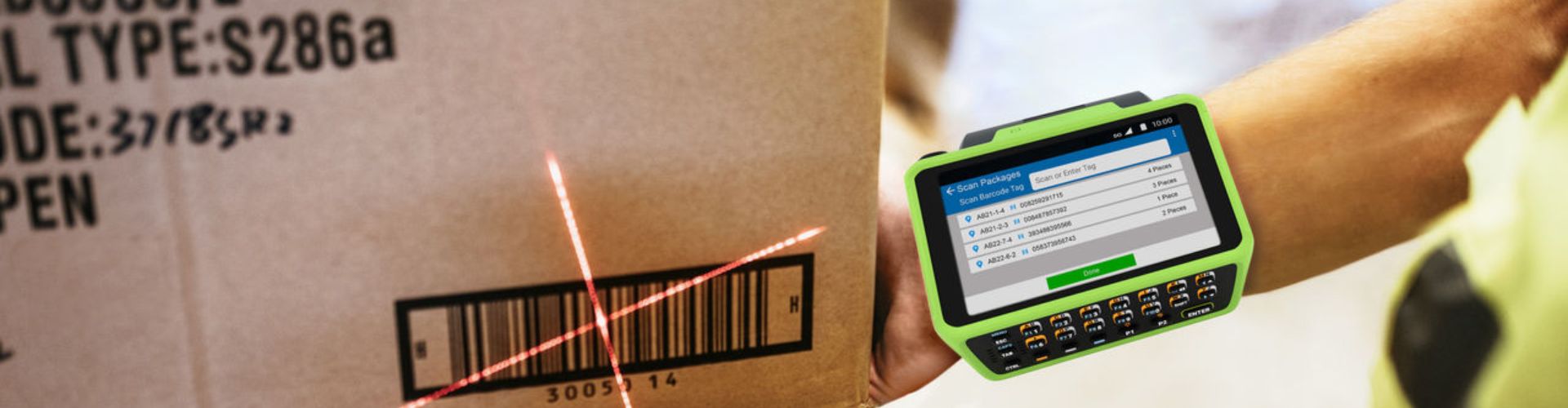
Using tags on wheelchairs, infusion pumps, monitors, and mobile devices, our RFID implementation services let you see exact locations in real time.
- Readers mounted in corridors or rooms pick up tagged items, updating a central dashboard.
- Staff or administrators query the system via handheld or web app and instantly find the nearest asset.
- This not only saves staff time but also ensures patients get equipment promptly, improving care flow.
How Does RFID Reduce Shrinkage and Loss?
Contrary to what many believe, theft and misplacement are not only human error — they’re predictable patterns. With our solution:
- Every tagged asset is logged when it crosses a doorway or exits its zone.
- Alerts trigger if a device (like a laptop or monitor) leaves an authorized area unexpectedly.
That visibility reduces misplacement and shrinkage dramatically — early studies show a 2 % reduction in annual hospital losses after RFID deployment.
How Does RFID Improve Utilization?
You’d think buying more equipment is the answer — but under-utilization is often the real culprit. RFID helps you:
- Monitor usage cycles: which infusion pumps or monitors sit idle and where.
- Reallocate assets: move underused devices to busier units.
- Avoid over-purchasing: with real-time inventory, you know exactly how many of each device you truly need.
As a result, you can reduce rentals, defer capital expenditure, and improve return on investment.
How Can RFID Support Predictive Maintenance?
Here’s a contrarian hook: reactive maintenance is lazy — predictive maintenance is smart.
Another contrarian thought: ripping out broken devices is expensive; fixing them before they break saves millions.
With RFID software integration, you collect usage data and track how often each device is used. Then:
- You schedule maintenance before failure: pumps or monitors flagged for servicing after a threshold of cycles.
- You detect anomalies: for example, a mobile device that hasn’t been moved may signal a fault or disuse.
- You minimize downtime and extend asset life.
Case Study: Real-World Client Impact
“After deploying your system, our nurses report that finding a wheelchair takes under two minutes instead of ten. Infusion pumps are shared more effectively, and we now run maintenance proactively. The ROI surprised us — our equipment rental costs have dropped by 30 %.” — Hospital Operations Director, large US health system
This is a practical illustration of how RFID implementation services translate into better asset visibility, lower costs, and smoother care delivery.
Why Choose 5th Wave for This?
At 5th Wave, we provide a flexible, end-to-end service: from barcoding to advanced RFID implementation services tailored to your exact needs. Our offerings include consulting, tag selection, hardware installation, RFID software integration, dashboards, analytics, and support. Whether you need to track wheelchairs, infusion devices, or mobile monitors, our customizable solutions scale with your hospital.
What’s the Return on Investment — Really?
You might think this is just a “nice to have” — but the market data says otherwise: the global RFID in the healthcare market was valued at USD 6.9 billion in 2024. That growth reflects how much value hospitals are driving from real-time asset tracking, shrinkage control, and utilization optimization.
Getting Started: What It Looks Like!
- We run a pilot in one department (say, infusion pumps + monitors).
- We tag the assets, map the reader topology, and launch the dashboard.
- We analyze data for utilization, shrinkage, and maintenance triggers.
- We expand gradually across the hospital — wheelchairs, mobile devices, everything.
- You benefit from predictive maintenance, fewer rentals, and lower capital spend.
Last Note
In healthcare, every second counts. With RFID, you don’t just track assets — you predict where they’ll be next, who will need them, and when they will break. That’s not just efficiency; that’s foresight.
Frequently Asked Questions
- How quickly can RFID be deployed in a hospital?
A pilot deployment (e.g., in one ward) typically takes 4–6 weeks: tagging assets, installing readers, configuring dashboards, and training staff. - Will RFID interfere with medical equipment?
No. We design tag types and reader placements carefully. Passive UHF RFID works well around medical devices without causing electromagnetic interference. - How secure is the data collected by RFID?
We use encrypted communication and role-based access to the dashboard. The system integrates with your IT infrastructure while preserving patient and operational privacy. - What is the ROI timeframe?
Most hospitals recover their RFID investment within 12–24 months through reduced rentals, lower shrinkage, and improved utilization. - Can RFID support regulatory compliance?
Yes. Real-time tracking helps you maintain audit trails for critical devices (like infusion pumps), support preventive maintenance, and comply with asset management regulations.