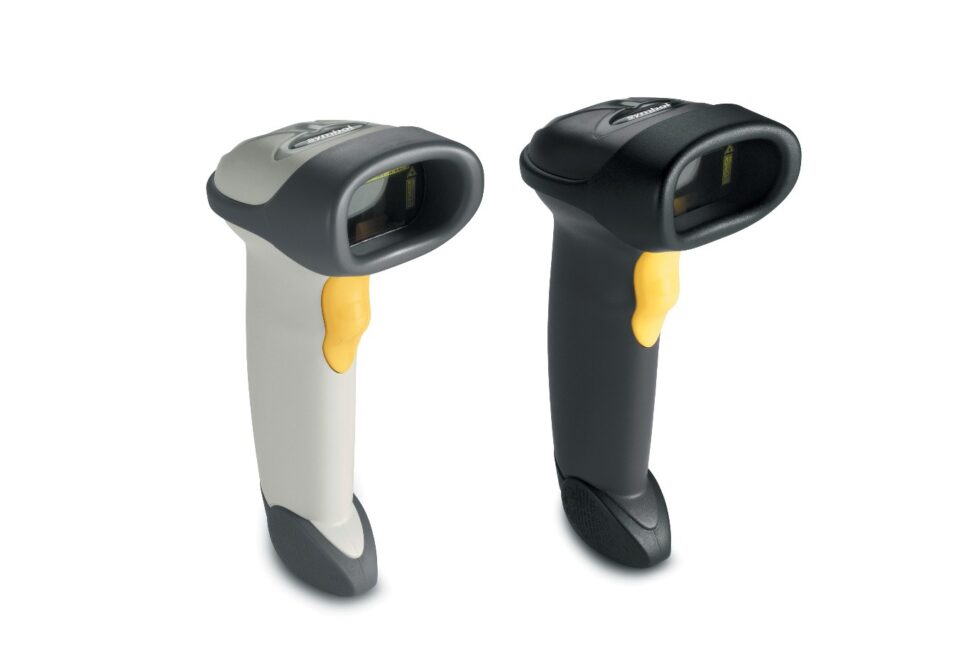
Secure Evidence Trails with Zebra Handheld Scanners: Your Ultimate Guide!

“Where did it go after it left the evidence room?”

If that question triggers a cold sweat, you’re not alone. In high-stakes environments like law enforcement, chain of custody isn’t optional—it’s everything. One missing barcode scan can unravel months of investigation. And that’s exactly where the Zebra rugged handheld scanner comes in.

Can You Really Trust Your Evidence Chain Without Tech?

Here’s the hard truth—manual logging systems fail. Paper trails are easily manipulated, and legacy tools lack audit-ready transparency. With rising demands for real-time tracking and CJIS compliance, agencies need solutions that work smarter, faster, and with zero margin for error.

Enter the Zebra MC3300—a Zebra rugged handheld scanner trusted by law enforcement, legal institutions, and asset protection teams across North America. Combined with secure chain-of-custody software, it’s more than a scanner—it’s your airtight audit system.

How Does It Actually Work in Real Time?

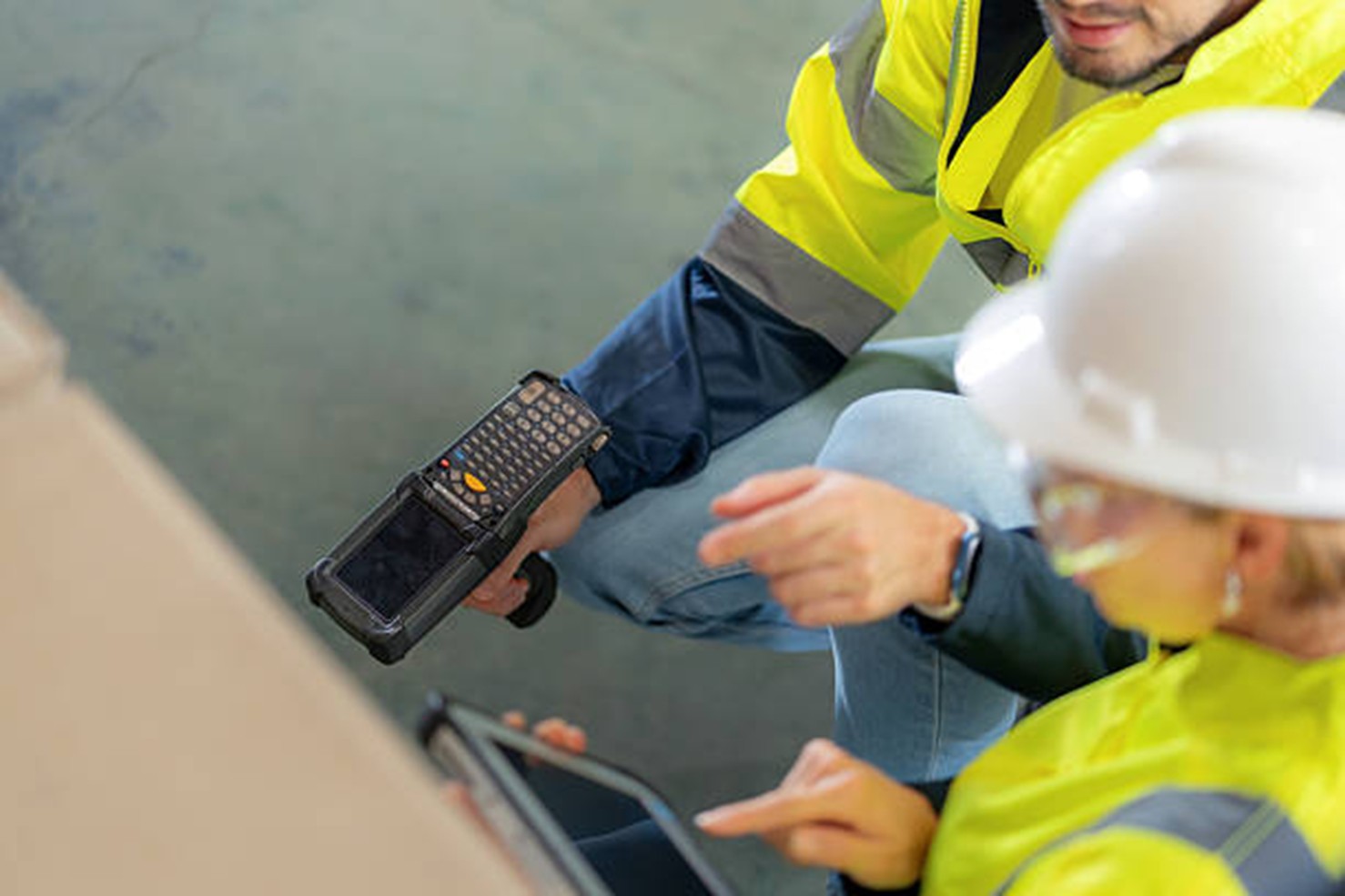
Picture this: An officer collects evidence at a crime scene. With one tap, they scan a barcode using the Zebra rugged handheld scanner. The scan captures geo-location, timestamp, officer ID, and item metadata—seamlessly syncing to a CJIS-compliant case management system.

Next, in the evidence room, an RFID+barcode hybrid scan confirms handover. Access is logged automatically. No gaps. No guesswork. No loopholes. Just secure, traceable custody from collection to court.

Want an Audit Trail That’s Tamper-Proof?

Then digital is non-negotiable. Legacy systems don’t protect against internal mismanagement or external legal scrutiny. Zebra’s ecosystem offers real-time secure audit logs that track every handoff, every scan, every movement.

But what if evidence is accessed off-grid or in the field? Can the chain still hold?

Absolutely. Zebra’s rugged handhelds are equipped for offline scanning and sync the data automatically once reconnected—ensuring your audit trail stays intact, even in remote environments.

Is Your Evidence Room Access Really Controlled?

Security starts at the door. Using Zebra handhelds integrated with chain-of-custody software, agencies can limit evidence room access to authorized personnel only. Every entry is logged. Every transaction is verified.

And with RFID+barcode hybrid scanning, asset movement inside the facility is trackable to the inch. You’re not just storing evidence—you’re securing accountability.

According to a 2025 report by the National Institute of Justice, 87% of law enforcement agencies reported digital chain-of-custody systems significantly reduced evidence misplacement and increased prosecution rates.
 Can your current system deliver that kind of result?

Still Relying on Manual Logs? It’s Time to Rethink.

Evidence mismanagement isn’t just a risk—it’s a liability. If you’re running high volumes of sensitive or regulated assets, even the smallest tracking failure can escalate into legal or reputational disaster.

But what about older infrastructure—can Zebra tech integrate with existing systems?

Yes. Zebra rugged handhelds are designed to integrate effortlessly with most modern and legacy case management platforms. And solutions can be tailored around your operational workflows—with minimal disruption and maximum ROI.

What Makes Zebra MC3300 a Game-Changer?

  • Durability: Built for tough law enforcement environments
  • Advanced Scanning: RFID + 1D/2D barcode scanning in one device
  • Security: CJIS-compliant software sync and data handling
  • Mobility: Real-time data capture, even in low-connectivity zones
  • Customization: Configurable for your agency’s specific protocols

And if you’re wondering about scalability—5th Wave is there with its range of options to cater to all your demands, from pilot programs to full-scale nationwide deployments.

Why Real-Time Evidence Visibility Matters More Than Ever

Think about this: the prosecutor’s case hinges on one piece of evidence. Can you prove where it was, who had it, and what happened to it—at every moment?

RFID Implementation Services

And what happens when evidence from multiple jurisdictions converges into a single case?

Zebra’s cloud-sync capabilities solve cross-jurisdiction complexity with unified custody views, making it easier to collaborate, consolidate, and present reliable audit data in court.

Because when trust is broken in the chain of custody—everything else falls apart.
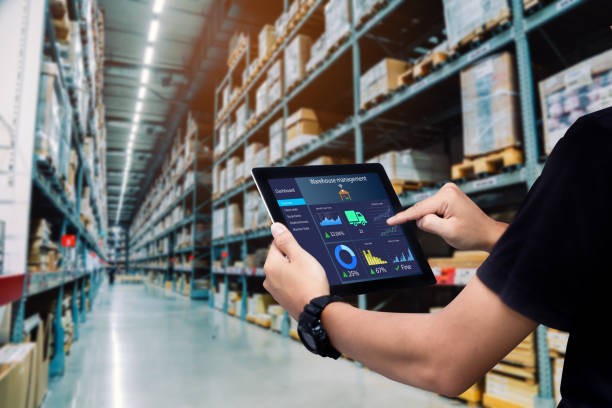
Food & Beverage Supply Chain Automation: Meeting Demand While Ensuring Traceability!

March 2020. Supermarkets were empty. Production stalled. Traceability gaps were exposed. What started as a supply hiccup turned into a global awakening for the food and beverage industry.
Now, automation isn’t an option. It’s survival.

But here’s the real challenge:
Can you scale operations to meet rising demand while maintaining traceability, expiration control, and food safety?

Why Traceability Isn’t Just Compliance—It’s Your Competitive Advantage

When lot tracking fails, recalls cost millions. Worse, they erode consumer trust. With stricter FDA and USDA mandates, real-time traceability isn’t just about regulatory compliance. It’s about operational control and risk mitigation.

That’s where barcode and RFID labeling, mobile inspection apps, and smart FIFO picking come in—transforming every touchpoint from raw material intake to final delivery.

Food & beverage supply chain automation now integrates seamlessly with ERP and WMS platforms, ensuring visibility across every entity—from warehouse to store shelf.

How Mobile Technology Simplifies Lot Traceability

Barcode scanners and mobile apps are replacing paper trails. You can track the journey of every lot, every unit, across facilities and distribution points. Whether it’s lettuce or lager, automated systems enforce lot segregation, expiration tracking, and instant product recall capabilities.

But what happens when temperature-controlled goods travel thousands of miles and data gets lost in transit?

This is where RFID-driven cold chain monitoring and HACCP logging shine. Paired with real-time IoT data, they ensure temperature compliance from dock to door.

Track More. Waste Less. Fulfill Faster.

Here’s how top-tier food manufacturers and distributors are using supply chain automation to streamline workflows and enforce compliance:

Process Tech Solution Benefits
Raw Material Intake Barcode/RFID Scanning Automated lot tracking, supplier traceability
Inventory Management Mobile WMS + FIFO Logic Expiration control, minimal waste
Picking & Packing Expiration-Based Picking Compliance with freshness standards
Transport & Delivery RFID Tags + Mobile Inspection Apps Cold chain validation, proof-of-delivery
Compliance Logging HACCP Integration via Mobile Devices Real-time audits, temperature compliance

These solutions don’t just capture data—they create a closed-loop traceability system from supplier to customer.

The Role of ERP-WMS Sync in Real-Time Visibility

When your ERP and WMS platforms sync in real time, your operations go from reactive to predictive. You know what’s expiringwhat’s delayedwhat’s compromised, and what’s ready to ship. That’s the kind of visibility large enterprises need to scale without risk.

And here’s a number to back it up:
According to GS1 US (2024), 82% of food and beverage companies reported improved traceability and recall readiness after implementing barcode and RFID-based systems.

That’s not just efficiency—it’s resilience.

Expiration Control: The Silent Margin Killer

You can’t afford to stock items that expire before they sell. Expiration-based picking—driven by mobile barcode scanning—ensures FIFO compliance and reduces shrinkage.

Are your expiration control systems smart enough to avoid hidden losses at the pallet level?

With smart bin tracking and automated alerts, systems today don’t just track dates—they trigger actions. Products nearing expiry are prioritized for picking, discounting, or redistribution—before they hurt your bottom line.

Zebra Rugged Handhelds

Why You Need Custom-Fit Supply Chain Automation Now

You can’t plug a one-size-fits-all platform into a complex food distribution network and expect precision. Each business has unique needs, regulations, and workflows.

That’s where 5th Wave steps in—with a range of barcode, RFID, and mobile data collection solutions tailored to your operation size, regulatory demands, and product types. Whether you’re a multinational or a mid-sized distributor, our systems adapt to your process—not the other way around.

And yes, it all integrates seamlessly with your existing warehouse automation systems.

Ready to Take Control?

Today’s supply chain needs to be transparent, fast, and safe. With mobile-first, data-driven tools, you can meet demand, enforce expiration compliance, and trace every item in real time.

But the question remains—how traceable is your supply chain when the pressure is on?

How RFID Reduces Downtime in Manufacturing Plants?

You often wonder why a perfectly planned production line still slows down. Missing tools, misallocated parts, and delayed maintenance cause more chaos than machinery failures. This is where RFID asset tracking steps in to steady your operations and help you prevent the next unwanted pause.

Why Do Plants Lose Time So Easily?

You see it every day. A tool that was “just here” disappears. A pallet gets routed to the wrong cell. A machine stops because no one noticed the part wear. These small gaps turn into big delays. Recent industry findings from 2024 by Deloitte show that plants lose nearly ten percent of productive hours each week due to avoidable search time and unplanned stoppages. This is where the science of traceability begins to feel like a lifesaver. And you are moments away from seeing how it changes everything.

Zebra Handheld Scanners

How Does RFID Build Real Traceability?

You gain real clarity when every tool, part, and asset carries its own digital identity. That is the promise of RFID asset tracking. It gives you live visibility on the move. You know where an item is, who used it last, and whether it is ready for the next cycle. This creates a ripple effect you will notice immediately.

• You reduce manual checks because data flows automatically.
• You prevent errors because every tagged asset leaves a clear trail.

What Happens When Preventive Maintenance Runs Itself?

You already sense the turning point. When machines report their own usage cycles through RFID, your maintenance becomes predictive instead of reactive. You repair before failure, not after. You track every component’s lifecycle with ease. The more data you feed into these systems, the more they protect your uptime. And right when you think the benefits stop there, you might discover a surprise that changes how you view downtime forever.

Where Does RFID Stand Against Traditional Systems?

Aspect RFID Tracking Barcode Tracking
Identification Speed Instant, no line of sight  Slower, requires alignment
Data Capacity High, supports dynamic updates Limited static information
Durability Long lasting under harsh conditions Easily damaged or smudged
Automation Level Fully automated Mostly manual

This is why many leaders now turn toward RFID manufacturing solutions as the preferred choice when reliability matters.

Why Does RFID Protect Your Entire Workflow?

You gain more than tracking. You gain control over movement, timing, and maintenance. As your plant scales, your manual systems simply cannot keep up with the volume. RFID, however, grows with you. It cuts interruptions, keeps your teams informed, and gives managers the clarity they need to act fast. This is also where 5th Wave steps in with its range of options to cater to all your demands.

Contact US

RFID works best when it blends into your operational rhythm. It acts as a silent observer, recording every detail and ensuring your team never operates in the dark.

How Do You Benefit When Everything Connects Smoothly?

You spend less time searching and more time producing. You stop worrying about misplaced items. You keep your machines healthy with predictable cycles. The overall result feels natural. Your plant runs smoother and your teams make stronger decisions backed by live data. That is the beauty of RFID asset tracking when it is implemented with precision and supported by high quality mobility and data collection technology.

Conclusion

You have seen how a simple shift from manual checks to intelligent tracking transforms downtime into uptime. RFID helps you fix the small issues that cause the biggest delays. It builds clarity, speeds your processes, and supports preventive maintenance so your production line stays steady. With the right system in place, you move from chasing problems to leading a smarter manufacturing operation.

Frequently Asked Questions

  1. How does RFID reduce downtime quickly?
    It gives you live visibility of tools, equipment, and parts so you never lose time searching. The system also alerts you about wear and usage patterns so you can service machines before failure.
  2. Is RFID hard to integrate with existing systems?
    It fits into most workflows with minimal changes. Readers, tags, and software connect smoothly with MES or ERP tools, making adoption easier than expected.
  3. Can RFID help small plants too?
    Yes. Smaller units see faster gains because each tracking improvement creates immediate impact on daily operations and throughput.
  4. How does RFID improve worker efficiency?
    Workers no longer rely on manual checks. They follow accurate location data, clear instructions, and automated alerts that save time at every station.
  5. Does RFID work in harsh conditions?
    Industrial grade tags handle heat, chemicals, and vibration. You get reliable performance across production floors where traditional labels fail.

Sustainability Tracking in Retail Manufacturing: Data That Drives Greener Operations!

You want cleaner production lines, lower emissions, and transparent actions that win trust. That is why you look toward manufacturing tracking solutions early in your sustainability journey. You want data that speaks clearly, solves problems fast, and strengthens your retail manufacturing operations. So let us explore how you move toward greener decisions with confidence.

Why Does Sustainability Tracking Matter to You Today?

You already sense the shift. Consumers now ask questions about energy use, carbon output, and waste handling. Retailers who cannot answer accurately lose their edge. A 2024 study by Deloitte reported that more than sixty percent of shoppers choose brands that show verifiable environmental data. You cannot ignore this. You want precision. You want clarity. You want systems that help you deliver both.


Contact US

How Does Carbon Tracking Give You Actionable Power?

You start by capturing carbon data across production, storage, and distribution. You learn where emissions rise, which assets consume more energy, and where small tweaks can save thousands. With mobility tools and barcode scanning, even your floor teams can record data fast.

  • You measure emissions in real time, so you adjust operations without delay.
  • You view historical patterns that guide long term reduction plans.

Here is your first cliffhanger. What happens when you combine carbon insights with location intelligence? You discover inefficiencies that you never noticed, and the results may surprise you.

Can Waste Monitoring Finally Give You That Lost Clarity?

You want to know what you waste, how often you waste it, and why it keeps happening. Waste monitoring helps you see hidden leakages. With RFID tagging, you trace raw materials from receiving to dispatch. You find weak points in processing lines and act before the costs pile up.

  • You pinpoint slow moving items that create silent waste.
  • You identify packaging or material losses that eat into margins.

Now here is your second cliffhanger. What if your waste numbers drop, but your operational gaps still cost you money? That is exactly where deeper analytics offer answers.

How Energy Consumption Analytics Guide Practical Decisions?

You check your energy use not once a month but every minute. You compare machine usage, temperature zones, and peak load timings. You learn what drains your resources and what keeps your systems healthy. When you combine this data with manufacturing tracking systems, patterns appear quickly. You start to time operations better, use smart scheduling, and extend the life of equipment.

Why Transparency Shapes Your Retail Advantage

You already know shoppers value truthful brands. When you show accurate sustainability metrics, you build trust. Transparency also helps you match compliance standards with ease. Whether it is carbon reports, waste declarations, or energy logs, you respond with reliable data. You create smoother audits, strengthen investor relations, and support eco conscious buyers who demand clarity.

How Your Teams Use Data to Improve Everyday Operations?

Your floor staff scan items, track movements, record metrics, and update workflows with handheld mobility tools. Your managers view dashboards that summarise everything. They compare stores, evaluate suppliers, and verify compliance records. This is how problems become easier to solve. This is how operations stay aligned with your sustainability goals.

How Mobility and Data Collection Shape the Future of Green Retail?

You bring precision to every action. Basic barcoding supports entry level tracking. Advanced RFID gives you frictionless visibility. Both come together to create smarter, cleaner production cycles. With the right integrations, your data flows across departments and supports every decision. This is why 5th Wave is there with its range of options to cater to all your demands.

Why Your Choice of Technology Partner Matters

You want a team that understands mobility workflows and sustainability reporting. You want flexible tools that adapt to retail, manufacturing, logistics, or distribution. You want solutions that evolve with changing regulations. You find value in custom builds that match your pace and your complexity. This is how you reduce emissions, control losses, and save energy, and we at 5th Wave are here to partner with you.

Industrial Barcode Printers

Parting Words

You aim for greener operations. You use carbon tracking to identify emissions. You monitor waste to reduce losses. You analyse energy use to protect your resources. You rely on strong data collection tools and manufacturing tracking solutions to support these goals. You strengthen trust, improve efficiency, and shape a cleaner retail future.

If you want smarter ways to track, manage, and improve your sustainability efforts, reach out and explore options that elevate your operations with ease.

Frequently Asked Questions

  1. How does carbon tracking help retailers operate more responsibly?
    You see where emissions rise and which processes create higher carbon loads. This helps you adjust workflows, improve energy use, and meet reporting standards. You also gain better control over supply chains and reduce environmental risks.
  2. Why is waste monitoring valuable for retail manufacturing?
    You identify where materials are lost, where packaging waste grows, and which stages need attention. This helps you reduce costs, improve productivity, and prevent recurring issues. Tracking waste also supports environmental compliance.
  3. What role does RFID play in sustainability tracking?
    RFID helps you track items without manual scanning. It improves visibility across production lines and storage areas. You see movements clearly, reduce errors, and collect detailed data. This helps you analyse patterns and plan improvements.
  4. How can energy analytics improve retail operations?
    Energy analytics show you which machines consume more power and when peak loads occur. You plan smarter schedules, reduce utility costs, and prevent equipment strains. These insights support greener operations and higher efficiency.
  5. Why do retailers need transparent sustainability data?
    Customers and regulators expect clear, verifiable information. With accurate data, you build trust, simplify audits, and support eco conscious buyers. This transparency strengthens your brand and improves long term operational planning.

Robotics Integration in Order Fulfillment: Faster Output Starts Here!

If slow order cycles keep pulling you back, you are about to see how robotics paired with order fulfillment software can speed up your warehouse like flipping a switch.

You want faster movement, fewer errors and smoother workflows. With robotics woven into modern order fulfillment software, you get a system that works with you, not against you. This article walks you through how robot-assisted picking, automated sorting and intelligent mobility tools reshape daily operations for quicker output and easier scaling.

Why Are Robotics Becoming a Must Have in Fulfillment?

You keep dealing with rising order volumes, tighter delivery windows and limited staffing. Robotics step in as partners that simplify the load. The surprising part is that you do not replace people. You help them move faster. You let machines do the repetitive jobs, while your team focuses on accuracy and exceptions.

How Do Robots Work Hand in Hand with Your Software?

Robotics and order fulfillment software communicate in real time. Your system instructs robots on where to go, what to pick and how to route items. Robots return data that updates your dashboards instantly. This loop keeps everything aligned, even during peak loads.

Contact US

What Makes Robot Assisted Picking So Effective

You might wonder why picking gets so much attention. Picking takes up most of your warehouse time. Robots speed it up with guided navigation and precise item recognition.

Let’s simplify this for you –

  • Robots follow optimized pick paths
  • They adapt to weight, size and shelf position
  • They reduce walking time for workers
  • They scan and validate items instantly

The Surprising Facet You Do Not Expect

Most people assume robotics will make operations rigid. Instead, flexible designs let you reconfigure zones in minutes. Another surprising insight is that robots improve safety scores because they handle heavy loads that usually cause injuries.

Where Automated Sorting Creates Its Real Impact

Sorting becomes smoother when robots identify items and place them in the right lanes. You avoid manual shuffling. You avoid bottlenecks. You gain a rhythm that keeps shipments flowing without delays. A 2024 McKinsey warehouse automation report noted that automated sorting increases throughput by nearly 35 percent, proving how impactful robotics can be.

Scaling Without Hiring More Labor Is Possible

Every business wants to grow without hiring endlessly. This is exactly where robotics shine. Once connected to your order fulfillment software, robots increase capacity automatically. You add more bots when demand spikes. You pause them during slower seasons. You maintain full control.

Table: How Robotics Strengthen Key Fulfillment Stages

Fulfillment Stage Manual Output Robotics Output  Value Gained
Picking Slower movement Faster, guided picks Higher accuracy
Sorting Error prone Automated placement Better flow
Validation Manual scans Instant checks Data accuracy
Dispatch Prep Multi step Streamlined Faster cycle time

Why Data Collection Drives the Entire Automation Cycle

You cannot run robotics without strong data capture. From barcoding to advanced RFID, every scan tells the software what to do next. This keeps the system responsive. It also improves traceability across tasks that used to feel chaotic. With warehouse inventory software built into the workflow, every movement is tracked with simplified clarity.

A Quick Look at Mobility and Real Time Visibility

Mobility tools give your team handheld insights. You view robot activity, inventory movement and pick confirmations instantly. It becomes easy to manage exceptions. You do not chase information. It comes to you.

Where 5th Wave Stands in Your Automation Journey

This is where 5th Wave steps in with its range of options. You get tailored mobility and data collection solutions that match your warehouse scale, industry needs and robotic environment.

The Practical Takeaway You Can Use Today

When robotics merge with strong software, you get smoother operations, fewer errors and faster cycle times. You also help your team work smarter. Automation becomes a natural part of your daily flow, not an overwhelming setup.

Conclusion

You now see how robotics paired with order fulfillment software simplify picking, sorting and scaling. You get speed. You get clarity. You get a system that grows at your pace. If you want to modernize your warehouse with smarter data collection and mobility powered solutions, start exploring these options today. If you are ready to boost efficiency with robotics and intelligent data tools, take your next step and connect with our team for a tailored automation plan.

RFID System Deployment

Frequently Asked Questions

  1. How do robotics improve picking speed?
    Robotics follow optimized routes, read item data instantly and reduce human walking time. They work with your software to ensure every pick is validated and tracked, helping you move through orders with better accuracy and quicker cycles.
  2. Are robots difficult to integrate with existing systems?
    Modern robots use APIs that connect directly with fulfillment platforms. Most integrations are straightforward. Once connected, they exchange real time data and adjust to warehouse workflows without major reprogramming.
  3. Do robotics replace warehouse staff?
    No. They support your team by handling repetitive work. Workers still manage exceptions, quality checks and oversight tasks. The combination helps you achieve faster output without expanding your workforce unnecessarily.
  4. How do I know which robotic system fits my warehouse?
    Start by reviewing order volume, item variety and floor layout. A solutions provider can assess your workflow and suggest robots for picking, sorting or transport. The right fit keeps your operations flexible and futureproof.
  5. Can robotics work with RFID and barcode systems?
    Yes. Robots read RFID tags and barcodes in real time. This ensures accurate item tracking across picking, sorting and dispatch, giving you a clear picture of inventory movement at every stage.

How RFID Makes Healthcare Asset Management Predictable and Cost-Efficient?

Many hospitals assume they know where all their critical equipment (wheelchairs, infusion pumps, mobile monitors) are — but in reality, they spend hours each week just looking for them. That wasted time and cost bleed hurts both staff and patients. With RFID implementation services you can cut that search, improve utilization, and make maintenance predictive — not reactive.

Why Do You Lose Track of Critical Medical Equipment?

You might think your staff is just being sloppy — but the bigger issue is lack of real-time visibility. Without a tracking system, wheelchairs end up in the wrong wing, infusion pumps stay idle in corners, mobile devices vanish, and monitors are underused. That leads to shrinkage, over-buying, or renting expensive duplicates.

How Does RFID Instantly Locate Equipment?

Using tags on wheelchairs, infusion pumps, monitors, and mobile devices, our RFID implementation services let you see exact locations in real time.

Mobile Inventory Management

  • Readers mounted in corridors or rooms pick up tagged items, updating a central dashboard.
  • Staff or administrators query the system via handheld or web app and instantly find the nearest asset.
  • This not only saves staff time but also ensures patients get equipment promptly, improving care flow.

How Does RFID Reduce Shrinkage and Loss?

Contrary to what many believe, theft and misplacement are not only human error — they’re predictable patterns. With our solution:

  • Every tagged asset is logged when it crosses a doorway or exits its zone.
  • Alerts trigger if a device (like a laptop or monitor) leaves an authorized area unexpectedly.
    That visibility reduces misplacement and shrinkage dramatically — early studies show a 2 % reduction in annual hospital losses after RFID deployment.

How Does RFID Improve Utilization?

You’d think buying more equipment is the answer — but under-utilization is often the real culprit. RFID helps you:

  • Monitor usage cycles: which infusion pumps or monitors sit idle and where.
  • Reallocate assets: move underused devices to busier units.
  • Avoid over-purchasing: with real-time inventory, you know exactly how many of each device you truly need.
    As a result, you can reduce rentals, defer capital expenditure, and improve return on investment.

How Can RFID Support Predictive Maintenance?

Here’s a contrarian hook: reactive maintenance is lazy — predictive maintenance is smart.
Another contrarian thought: ripping out broken devices is expensive; fixing them before they break saves millions.

With RFID software integration, you collect usage data and track how often each device is used. Then:

  • You schedule maintenance before failure: pumps or monitors flagged for servicing after a threshold of cycles.
  • You detect anomalies: for example, a mobile device that hasn’t been moved may signal a fault or disuse.
  • You minimize downtime and extend asset life.

Case Study: Real-World Client Impact

“After deploying your system, our nurses report that finding a wheelchair takes under two minutes instead of ten. Infusion pumps are shared more effectively, and we now run maintenance proactively. The ROI surprised us — our equipment rental costs have dropped by 30 %.” — Hospital Operations Director, large US health system

This is a practical illustration of how RFID implementation services translate into better asset visibility, lower costs, and smoother care delivery.

Why Choose 5th Wave for This?

At 5th Wave, we provide a flexible, end-to-end service: from barcoding to advanced RFID implementation services tailored to your exact needs. Our offerings include consulting, tag selection, hardware installation, RFID software integration, dashboards, analytics, and support. Whether you need to track wheelchairs, infusion devices, or mobile monitors, our customizable solutions scale with your hospital.

What’s the Return on Investment — Really?

You might think this is just a “nice to have” — but the market data says otherwise: the global RFID in the healthcare market was valued at USD 6.9 billion in 2024. That growth reflects how much value hospitals are driving from real-time asset tracking, shrinkage control, and utilization optimization.

Getting Started: What It Looks Like!

  1. We run a pilot in one department (say, infusion pumps + monitors).
  2. We tag the assets, map the reader topology, and launch the dashboard.
  3. We analyze data for utilization, shrinkage, and maintenance triggers.
  4. We expand gradually across the hospital — wheelchairs, mobile devices, everything.
  5. You benefit from predictive maintenance, fewer rentals, and lower capital spend.

Last Note

In healthcare, every second counts. With RFID, you don’t just track assets — you predict where they’ll be next, who will need them, and when they will break. That’s not just efficiency; that’s foresight.

Contact US

Frequently Asked Questions

  1. How quickly can RFID be deployed in a hospital?
    A pilot deployment (e.g., in one ward) typically takes 4–6 weeks: tagging assets, installing readers, configuring dashboards, and training staff.
  2. Will RFID interfere with medical equipment?
    No. We design tag types and reader placements carefully. Passive UHF RFID works well around medical devices without causing electromagnetic interference.
  3. How secure is the data collected by RFID?
    We use encrypted communication and role-based access to the dashboard. The system integrates with your IT infrastructure while preserving patient and operational privacy.
  4. What is the ROI timeframe?
    Most hospitals recover their RFID investment within 12–24 months through reduced rentals, lower shrinkage, and improved utilization.
  5. Can RFID support regulatory compliance?
    Yes. Real-time tracking helps you maintain audit trails for critical devices (like infusion pumps), support preventive maintenance, and comply with asset management regulations.