Unlocking the Hidden ROI of Mobile Workforce Solutions!

Most leaders think they know the value of mobility — but here’s the twist: they often underestimate how much money is quietly slipping away every day without the right mobile workforce solutions in place. If you’re relying on manual inputs or outdated systems, you could be leaving a mountain of savings and efficiencies on the table. Why not check out the specifics of it right away? This post will help you understand the same.

The Hidden Goldmine in Daily Operations

Ask yourself: how many errors happen because data must be re-entered? How often are assets misplaced? These hidden inefficiencies are why companies today turn to mobile workforce solutions and intelligent mobile data collection to plug the leaks — and it works.

With better tools in the hands of your mobile teams, you can:

  • Shorten billing cycles and boost cash flow
  • Minimize costly errors
  • Gain instant access to real-time data
  • Track assets so nothing valuable goes missing

Here’s a number you can’t ignore — 82 percent of companies say real-time visibility, enabled by mobile tech, is critical for their growth. (Zebra Technologies, Future of Field Operations Vision Study)

Where Does the ROI Show Up?

Breaking it down shows how these improvements hit your bottom line fast.

ROI Impact Area Value Delivered
Billing & Invoicing Faster cycles mean better cash position
Asset Tracking Fewer lost assets, smarter allocation
Workforce Efficiency Reduced manual rework, higher output
Customer Service Faster response, happier customers

Whether you’re in manufacturing, retail, logistics, or healthcare, the same rule applies: smart mobile data collection fuels better decisions.

True ROI Needs Real Numbers

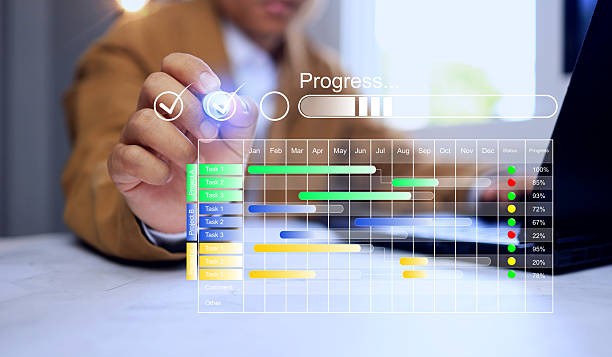
So how do you convince the people who hold the purse strings? Map out your current baseline. Look for slow touchpoints: paperwork bottlenecks, repeated tasks, or parts of the workflow that create delays.

Now, measure the gains after deploying a tailored solution. When you show that your field techs or delivery teams spend less time logging data and more time delivering results, you have a solid ROI story.

It’s not just about devices — it’s about integrated systems that talk to each other, so data flows seamlessly from the field to your ERP. Fewer gaps mean fewer surprises.

Customization Is the Deal Breaker

Not every business needs the same tools. Maybe you’re moving pallets in a massive warehouse or tracking medical supplies door-to-door. This is why working with a flexible partner matters. 5th Wave stands out here — with a range of options, from barcoding basics to advanced RFID tracking, we help you build exactly what you need.

A rigid system might work for your competitor but fail for you. So never settle for a ‘one-size-fits-all’ promise — your workflow deserves better.

How to Win Over Your Leadership Team

The biggest mistake companies make is failing to build the business case in plain dollars and cents. So keep it simple: show how faster invoicing or better inventory tracking turns into real revenue or cost savings.

Ask yourself:

  • What will this save us per year?
  • How much more can our teams do with less effort?
  • What competitive advantage do we gain?

These answers prove that mobile workforce solutions are not just an expense — they’re a profit driver.

Don’t Miss Out on What’s Already Yours

Think about it — every field service call, every delivery, every warehouse scan could run smoother, smarter, and with far fewer errors. The truth is, modern mobility isn’t just a trend — it’s a hidden profit center waiting to be tapped.

So here’s a question worth leaving with you: Are you ready to uncover the ROI that’s been hiding in plain sight within your mobile teams all along?
Are You Ready for the IoT Revolution? How RFID Software Connects the Dots!

Did you ever wonder how your favorite brands track thousands of moving parts in real time? Or how a supply chain responds before a problem even hits your bottom line? The secret often starts with RFID software integration, a powerhouse tool quietly linking your world to the next wave of smart, data-driven operations.

So, where does this lead you? How can you capitalise on it in the best possible way? This post will detail out the specifics for you

The Pulse of Iot : How RFID Data Speaks

Today’s industries thrive on one thing—information that moves as fast as you do. RFID software integration is your ticket into this high-speed lane. By tapping into RFID tags and readers, you unlock continuous streams of real-time data. This feeds directly into your IoT and Industry 4.0 strategies. Did you know that 83 percent of Fortune 500 companies plan to boost spending on IoT and smart assets this year? (Source: Statista 2025). Imagine what you could achieve with that same power.

  • Are your existing systems ready to handle this data surge?
  • How secure is your current data capture process?

Connecting Dots: Where RFID Meets AI and Analytics

When you harness RFID implementation services, you do not just collect data—you connect it to smarter systems.

  • Predictive Maintenance: RFID sensors flag equipment wear before a breakdown stalls your line.
  • Smart Analytics: With AI algorithms processing RFID data, you gain sharper forecasts, better stock levels, and higher ROI.

Ever wondered what hidden inefficiencies your operation might reveal with the right data insights?
Here’s a cliffhanger—your next big gain could be buried in plain sight.

Why Integration Is the Game-Changer

RFID alone is powerful, but the real magic happens when it is woven into your larger digital strategy.

  • Seamless Mobility: Your teams get the freedom to access critical data anywhere.
  • Zero Blind Spots: Every asset, tool, or product is visible when you need it most.

So, what stops so many companies from stepping up their game? Often, they settle for piecemeal fixes instead of a robust, scalable solution. But you do not have to follow that route. That’s where 5th Wave is there with its range of options to cater to all your demands.

Are You Truly Ready?

Here is where the cliffhanger thickens. Even the best RFID tags cannot speak up if your software is stuck in yesterday’s workflows. Your competitors know this too. They are already planning their next move. Are you?

Tailored Solutions: Beyond Basic Barcodes

Do not be fooled—RFID is not just a fancy barcode upgrade. RFID implementation services now support entire smart factories, advanced retail tracking, and even healthcare asset management. You deserve a solution that flexes with your unique demands.

  • Custom Configurations: We design data capture to match your industry’s pace.
  • Future-Proof Architecture: Scalable systems ensure you keep growing without major overhauls.

Bridging Now and Next

Imagine your RFID data feeding an AI dashboard that triggers supply chain shifts in real time. It is not science fiction; it is smart integration. And it starts with choosing the right partner who understands how to align RFID software integration with IoT and Industry 4.0 needs.

Ask yourself—
Are you leaving money on the table by sticking to outdated processes?

One Last Thought

Your competitors are investing. Your industry is evolving. You have the tools at your fingertips. The only question left is—are you ready to connect the dots before the next wave hits?

Will you be ahead of the IoT curve or still wondering how you missed the signs?

Supply Chain Automation and Enterprise Mobility Solutions for the Future

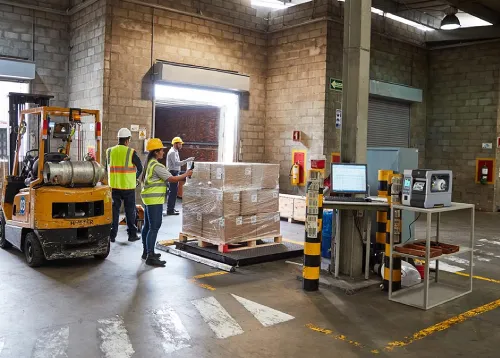
In today’s fast-paced industries, supply chain automation is revolutionizing the way businesses manage production, distribution, and logistics. From warehouse automation systems to mobile workforce solutions, organizations are stepping into a smarter, connected future. Companies looking to gain a competitive edge are adopting enterprise-grade technologies like RFID warehouse solutions, barcode tracking systems, and field workforce apps to achieve operational excellence.

Warehouse Automation Systems for Smarter Operations

Modern warehouses rely on warehouse automation systems and warehouse inventory software to streamline order management, optimize workforce productivity, and reduce human error. With real-time inventory tracking, businesses can monitor stock levels across multiple locations. This is further enhanced by order fulfillment software and RFID order picking solutions that accelerate delivery schedules and improve customer service.

Barcode inventory management and barcode scanning solutions, powered by industrial barcode printers and barcode asset tracking systems, provide simple yet highly effective tools for operational accuracy. More advanced organizations deploy RFID tag printing and custom RFID labels to integrate seamlessly with backend system integration strategies.

Field Service Mobility and Inspection Apps

Businesses with mobile operations depend on field service mobility and field inspection apps to empower field staff. These mobile logistics solutions deliver secure mobile data collection and mobile asset tracking, ensuring that critical information is centralized and accessible in real time. Industry-specific field workforce apps offer on-the-go connectivity, improving service efficiency and enhancing customer satisfaction.

Mobile inventory management and mobile workforce solutions are key drivers in enabling organizations to track assets, monitor operations, and generate actionable insights in dynamic environments.

RFID Solutions for End-to-End Tracking

RFID implementation services and RFID software integration are pivotal for businesses looking to establish warehouse and manufacturing transparency. Whether through RFID manufacturing solutions or RFID system deployment, companies can achieve accurate RFID inventory tracking across the entire supply chain.

Advanced services include RFID tagging solutions, custom RFID tags, and RFID tagging implementation, which bring full visibility to production lines and distribution centers. By utilizing RFID warehouse solutions, organizations gain access to precise status updates, boosting efficiency in work in progress tracking software and overall manufacturing execution.

Barcode and Zebra Technology Integration

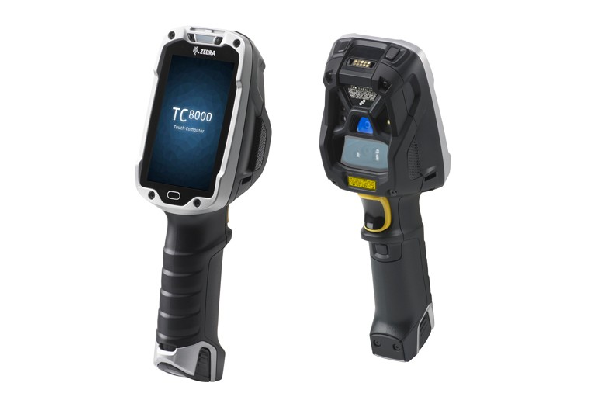
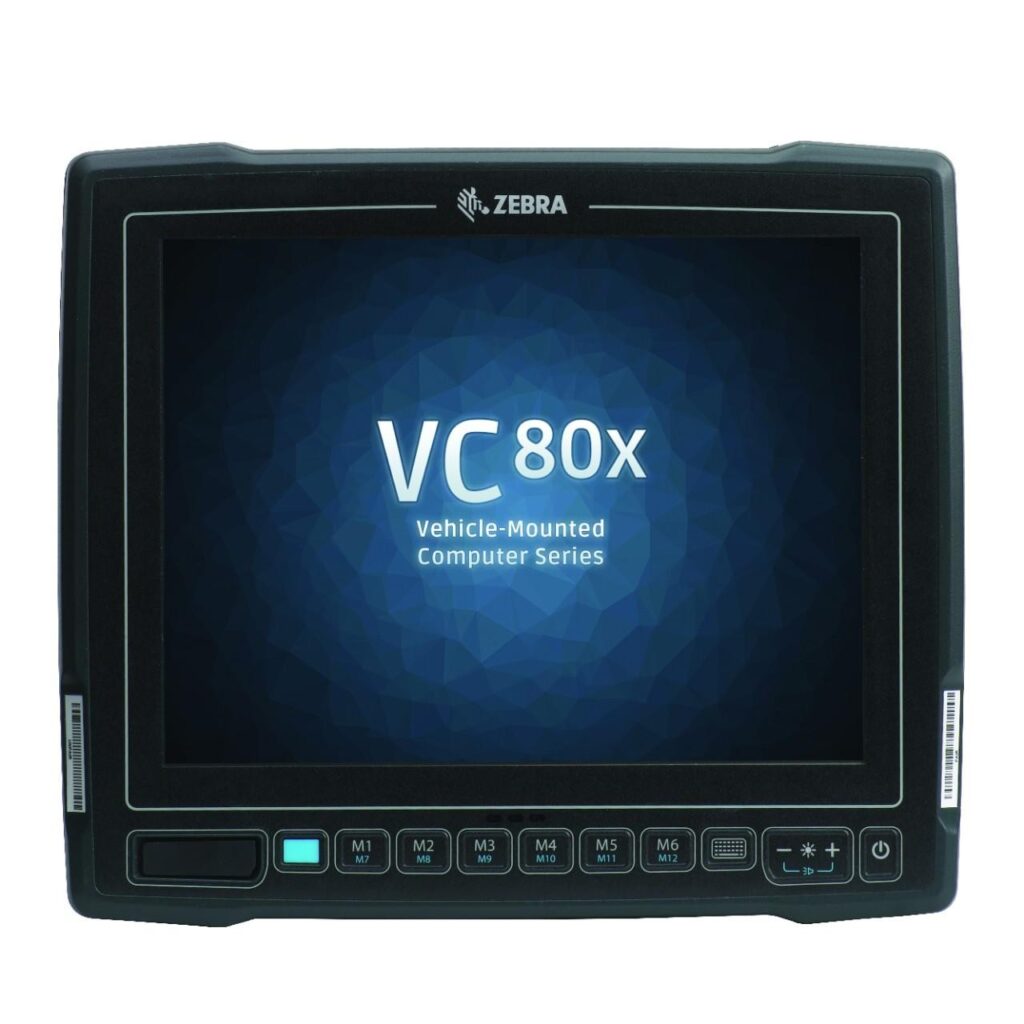
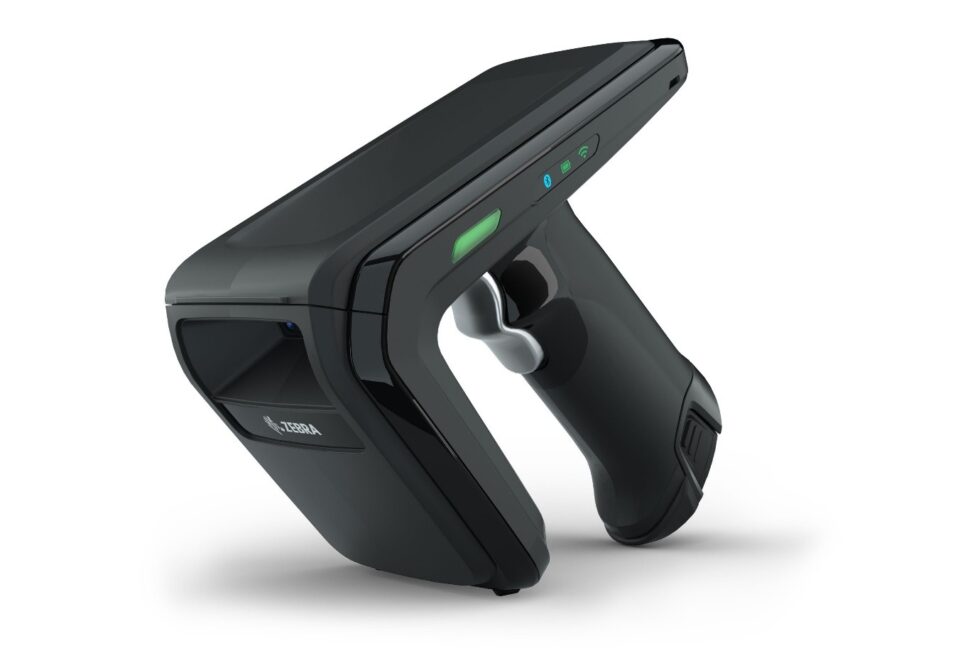
Many leading businesses are deploying Zebra Solutions Provider technologies to achieve greater accuracy in daily operations. From Zebra barcode scanners and Zebra handheld scanners to Zebra barcode printers and Zebra RFID printers, Zebra’s robust product line enables end-to-end inventory visibility.

Companies partnering with a Zebra Premier Partner ensure seamless deployment of Zebra mobile solutions, including Zebra rugged handhelds and Zebra mobile computers. A trusted Rugged Zebra Handheld Mobile Company offers strategic solutions for industries requiring durability and precision, delivering devices like the zebra rugged handheld scanner for field productivity.

By leveraging Zebra RFID readers and Zebra rugged handhelds, businesses establish an ecosystem of reliable barcode tracking systems and RFID tagging solutions that integrate with enterprise mobility solutions.

Manufacturing Tracking and Automation

Efficiency in factories largely depends on manufacturing tracking systems and manufacturing tracking solutions. These systems, integrated with mobile application development and RFID manufacturing solutions, allow organizations to gain real-time insights into production lines. Combined with work in progress tracking software, companies ensure maximum transparency, reduced downtime, and standardized output.

Implementing RFID inventory tracking alongside barcode scanning solutions establishes high reliability in resource allocation and time management. When reinforced with Zebra RFID printers and industrial barcode printers, manufacturing facilities experience seamless operations with end-to-end visibility.

The Role of Rugged Mobile Devices

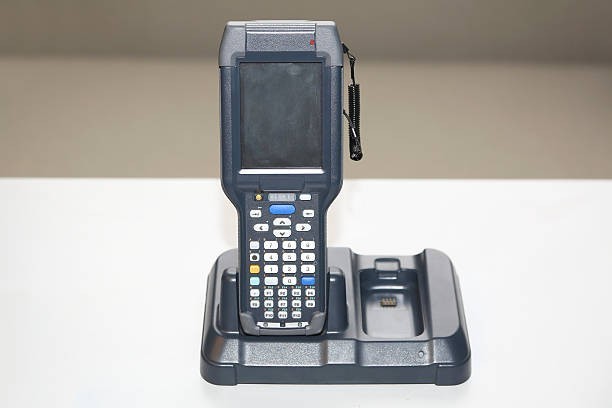
For field mobility and operations, rugged mobile devices are critical. These hardware solutions power field teams with durability, secure connectivity, and fast response capabilities. By combining mobile data collection, mobile workforce solutions, and custom RFID labels, companies are better equipped to manage logistics, inspections, and on-site tasks without interruptions, even in demanding conditions.

Integrated Future of Supply Chain Automation

The future of supply chain automation lies in combining enterprise mobility solutions, mobile logistics solutions, and backend system integration to establish a fully connected ecosystem. Organizations deploying RFID implementation services together with barcode tracking systems and Zebra mobile computers will enjoy unmatched flexibility, transparency, and scalability across their supply chain.

With the right mix of warehouse inventory software, manufacturing tracking systems, and innovative Zebra mobile solutions, enterprises worldwide are set to optimize processes, reduce waste, and meet the increasing demands of customers with accuracy and speed.

For tailored enterprise-grade solutions in automation, logistics, and mobility, visit 5th Wave.

Real-Time Inventory Tracking with RFID Solutions for Modern Warehouses

Managing inventory in today’s fast-paced supply chain requires more than traditional spreadsheets and barcode systems. Businesses now demand real-time inventory tracking to reduce inefficiencies, minimize costs, and improve accuracy. This is where RFID asset tracking and advanced RFID warehouse solutions are transforming operations across industries.

The Need for Real-Time Inventory Tracking

Manual inventory management often leads to human error, stock discrepancies, and delays in fulfillment. As customer expectations grow, businesses can no longer afford to operate with inaccurate or outdated stock levels. Real-time inventory tracking ensures continuous visibility of goods within warehouses, factories, and retail outlets.

With RFID technology, businesses gain instant updates on product movement, automatically syncing data into their systems. This eliminates manual counting, saves labor hours, and ensures inventory is always accurate.

How RFID Asset Tracking Works

RFID asset tracking uses radio frequency identification tags attached to products, tools, or equipment. Each tag contains unique information that RFID readers capture and transmit to a centralized system. Unlike barcodes, RFID does not require direct line-of-sight, making scanning faster and more efficient.

Some key benefits of RFID asset tracking include:

  • Seamless monitoring of assets from the moment they enter the warehouse to when they are shipped out.
  • Improved accountability by reducing asset misplacements and theft.
  • Automated logging of data without human intervention.

In industries like healthcare, manufacturing, and retail, RFID asset tracking ensures that high-value items are always located and managed in real time.

RFID Inventory Tracking for Accuracy

Accuracy is one of the biggest challenges in inventory management. RFID inventory tracking enhances visibility by automatically recording item movements and locations. This technology enables businesses to:

  • Conduct instant cycle counts and stock audits.
  • Prevent overstocking and stockouts.
  • Improve fulfillment speed and reduce errors in order picking.

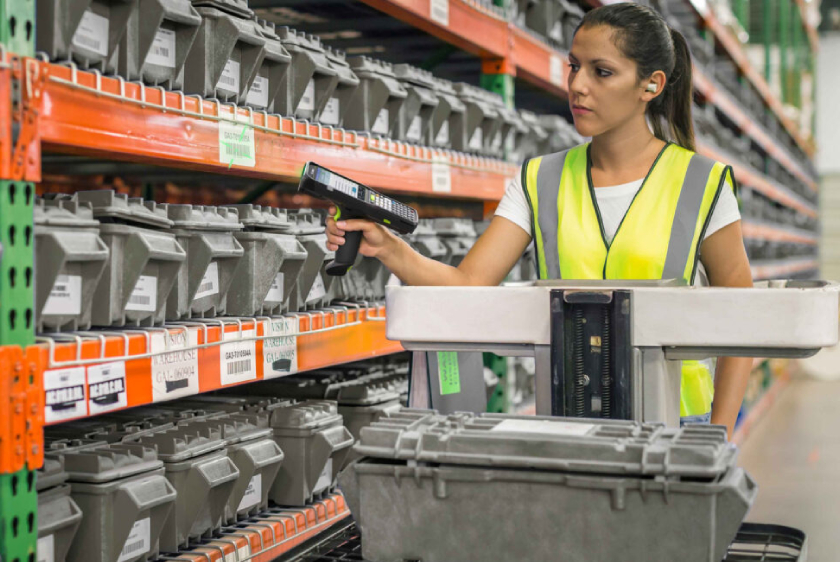
For example, a warehouse equipped with RFID readers can scan thousands of items within minutes, while traditional barcode scanning would take hours. This provides businesses with a competitive advantage in meeting customer demands efficiently.

RFID Warehouse Solutions for Operational Efficiency

Warehouses face ongoing pressure to deliver faster while maintaining cost efficiency. RFID warehouse solutions provide scalable tracking systems that integrate seamlessly into warehouse management software. These solutions help automate processes such as:

  • Receiving and dispatching shipments.
  • Real-time location tracking of pallets and packages.
  • Verifying order accuracy before dispatch.

By implementing RFID warehouse solutions, businesses benefit from:

  • Faster turnaround times.
  • Labor cost savings.
  • Higher efficiency in space utilization through better tracking of stored items.

These improvements not only boost internal productivity but also improve customer satisfaction with timely and accurate order fulfillment.

Custom RFID Tags for Industry-Specific Needs

Every business has unique inventory and asset management challenges. That’s why custom RFID tags play a crucial role in creating tailored solutions. Companies can choose tags that resist harsh environments, extreme temperatures, or liquid exposure, depending on the nature of their operations.

Some applications of custom RFID tags include:

  • Rugged tags for heavy machinery and outdoor assets.
  • Washable tags for textile and garment tracking.
  • High-memory tags for applications requiring detailed data storage.

By leveraging custom RFID tags, organizations can ensure that their RFID system functions with maximum efficiency, specifically suited to their environment.

The Future of RFID in Inventory Management

With the rise of Industry 4.0 and IoT-enabled systems, RFID is becoming a cornerstone of digital supply chains. Combining RFID-enabled real-time inventory tracking with predictive analytics and AI will allow businesses to anticipate demand, optimize stock levels, and streamline logistics.

Forward-looking companies that invest in RFID inventory tracking today will be better equipped to adapt to market fluctuations and growing customer demands.

How Much Are You Losing Without Tracking? A Data-Driven Look at Opportunity Costs!

For those still operating without manufacturing tracking systems, you may be bleeding revenue daily—without even realizing it. From production floor delays to missed deliveries, the opportunity cost of zero real-time visibility is higher than most leaders estimate. What exactly are you losing every hour you go blind?

Here’s a data-driven breakdown that might shift your perspective forever.

What’s the Real Cost of Not Tracking?

Think beyond ROI. Think about the money you’re not making—or worse, losing—because there’s no visibility into your shop floor, inventory levels, or logistics chain.

Without manufacturing tracking systems, you’re facing:

  • Hidden downtime
  • Excess WIP (Work-In-Progress)
  • Penalties from late deliveries
  • Stockouts and overstocking
  • Customer dissatisfaction and churn

Every minute without tracking means a missed insight, delayed decision, or costly inefficiency.

Could Your Team Be Working Harder… and Producing Less?

Yes. And it’s more common than you think. A 2024 report by Deloitte revealed that 36% of manufacturers report up to 20% productivity loss due to lack of real-time data visibility.  

That’s not just inefficiency—it’s a recurring, daily financial leak.

Let’s take a closer look.

Where the Money’s Slipping Through: A Quick Comparison

Loss Area With Tracking System Without Tracking System
Production Downtime Reduced by 25–40% High & often unnoticed
Inventory Accuracy 95%+ real-time 70–80%, often manual
Order Fulfillment Speed 30% faster Delays up to 2–3 days
Late Shipment Penalties Rare occurrences Frequent, costly
Customer Satisfaction Higher retention Increased churn risk

Numbers don’t lie. Lack of visibility isn’t just a risk—it’s a measurable loss.

Why Are Manufacturers Still Hesitating?

Many businesses are reluctant to invest in manufacturing tracking systems, thinking of it as an operational expense rather than a value-generating asset.

But here’s the thing: doing nothing is a choice—and an expensive one.

Not tracking leads to:

  • Poor demand forecasting
  • Bloated inventory costs
  • Missed reorders
  • Bottlenecks going unnoticed
  • Inefficient labor utilization

The cost of inaction adds up silently but steadily. You feel it in fire-fighting mode, in dissatisfied customers, and in growing operational costs.

What If You Could Know Exactly Where Every Asset Is—In Real-Time?

That’s not science fiction. It’s what modern manufacturing tracking systems powered by mobile and RFID tech can offer today.

Imagine barcode scanning across your WIP lines, RFID-tagged inventory, and mobile data collection at every checkpoint. You don’t just track—you optimize.

And 5th Wave is here with its range of options to cater to all your demands, from basic barcoding to advanced, integrated RFID-based tracking systems.

What Opportunity Costs Are You Ignoring?

Let’s break it down by the minute:

  • Every hour of unplanned downtime costs thousands in lost productivity.
  • Every day of inaccurate inventory counts inflates carrying costs.
  • Every week of delayed orders compounds into churned accounts.

Now, multiply that across a year. Can you afford not to act?

Let’s Flip the Question—What Would You Gain?

By implementing smart, scalable manufacturing tracking solutions, you gain:

  • Real-time data visibility
  • Efficient material movement
  • Predictable delivery schedules
  • Better customer experiences
  • Fewer costly surprises

Instead of reacting to problems, you proactively prevent them.

Final Thought: What’s Your Profit Potential If You Start Tracking Today?

You already have the data—scattered across operations, lines, and warehouses. The right system doesn’t just collect it. It connects it.

So, ask yourself:

What’s the cost of continuing without insight, and what could you gain with full visibility?

5 FAQs About Manufacturing Tracking Systems

  1. What is a manufacturing tracking system?
    A manufacturing tracking system collects and monitors real-time data from production lines, inventory, and logistics to boost efficiency, reduce downtime, and support smart decision-making.
  2. How do tracking systems prevent losses?
    They identify bottlenecks, flag idle resources, and improve delivery accuracy—helping reduce penalties, rework, and customer churn.
  3. Are RFID solutions better than barcode systems?
    RFID offers hands-free, bulk scanning, ideal for fast-paced environments. Barcodes are cost-effective for simpler applications. The choice depends on your use case.
  4. Can I integrate tracking systems with my ERP?
    Yes, most modern tracking solutions are ERP-compatible, offering seamless data sync across your operations and business intelligence platforms.
  5. Is a tracking solution scalable for SMEs?
    Absolutely. Solutions like those from 5th Wave are modular and customizable—scalable for both small manufacturers and enterprise-level plants.

Want to stop losing money without even noticing? Start the conversation today.

Let us show you how visibility drives profitability.

Real-Time Data Flow: Why Backend Integration is the Game-Changer?

Many enterprises still believe real-time data collection begins and ends with front-end dashboards. But here’s the truth: what really powers real-time insights is backend system integration. Without it, you’re just syncing noise—not intelligence. Enterprises that fail to connect their backend systems are unknowingly draining efficiency, speed, and accuracy across operations.

It is time to unveil the specifics of it all!

Why Is Backend System Integration So Critical Now?

Real-time decision-making has become non-negotiable. But how can you make fast, accurate decisions if your ERP, MES, CRM, SCADA, and IoT platforms are working in silos?

Here’s how backend system integration changes the game:

  • Eliminates data silos by connecting systems of record into one enterprise data pipeline
  • Accelerates real-time data sync, reducing latency across platforms
  • Supports predictive and proactive decision-making with timely, accurate data
  • Creates a unified view across departments, from operations to customer service
  • Strengthens IoT data ingestion into core business workflows

Still relying on spreadsheets and isolated systems? You’re not collecting real-time data—you’re reacting too late.

How Does Backend Integration Enable Enterprise-Wide Visibility?

You need more than just barcoding and RFID tools. Integration sits at the heart of any real-time data collection strategy. It links the technologies you already use—whether on-site or in the field.

Key Benefits:

  • Message Brokers (e.g., Kafka, MQTT): Enable scalable, low-latency communication between systems
  • API Integration: Seamlessly connects cloud-based and on-premises platforms
  • Data Aggregation Engines: Normalize and transform data for uniformity
  • Real-time Dashboards: Consume backend-synced data for frontline visibility

According to Gartner’s 2024 Digital Transformation Trends, 72% of enterprises cite backend integration as the primary enabler of real-time analytics.

What Systems Can You Integrate for Maximum Efficiency?

Don’t just think ERP or CRM. Think end-to-end data sync.

  • ERP (SAP, Oracle): Sync order, inventory, and financial data
  • MES: Capture production data in real time for quality control
  • CRM: Bridge customer interactions with supply chain workflows
  • SCADA/PLC: Feed machine and process data into decision systems
  • IoT Platforms: Ingest sensor data to drive intelligent automation
  • RFID & Barcode Devices: Sync scanned data directly into central systems

Whether you’re in manufacturing, retail, logistics, or healthcare—backend integration ensures data collected at the edge reaches your core systems instantly.

What Happens If You Don’t Integrate Your Backend Systems?

Disconnected systems don’t just slow you down—they cost you money. Inaccuracy, duplicate efforts, and decision delays all bleed your ROI.

Here’s what poor integration really looks like:

  • Stale data making its way into critical decisions
  • Manual entry leading to data loss and duplication
  • Operational teams flying blind without system-wide visibility
  • Compliance risks from untracked data points

It’s not just inefficient—it’s risky.

Where Does Backend Integration Meet Mobility?

In a mobile-first world, field workforce apps rely heavily on backend integrations to ensure they operate with real-time data. Whether a technician is scanning inventory, a healthcare worker is updating patient records, or a logistics agent is confirming delivery—data must flow instantly from edge to core.

How Does the 5th Wave Help You Stay Ahead?

At 5th Wave, we understand your operational complexity. Whether you’re using RFID, advanced barcoding, or IoT-based solutions, we offer a range of backend integration services that are tailored to your existing tech stack. From mobile data collection to enterprise-grade synchronization—we’re here with our range of options to cater to all your demands.

Want to Build a Future-Proof Data Collection Ecosystem?

When you connect your platforms through smart backend integration, you empower your teams, streamline your workflows, and make your data work harder for you.

It’s not just about tech. It’s about transforming how your business moves, measures, and decides.

5 FAQs You Shouldn’t Miss

Q1: What is backend system integration?
 Backend system integration is the process of connecting enterprise systems like ERP, CRM, and IoT platforms to ensure continuous, real-time data exchange.

Q2: How does it support real-time data collection?
 It enables seamless data sync between systems, reducing latency and allowing instant access to accurate data for smarter decisions.

Q3: Which tools are used for integration?
 Common tools include APIs, message brokers (like Kafka), and middleware platforms that link data pipelines across systems.

Q4: Can it improve IoT data ingestion?
 Absolutely. Integrated backend systems ensure that IoT sensor data is processed, normalized, and routed into enterprise platforms for actionable insights.

Q5: Is backend integration scalable for SMEs?
 Yes. Solutions can be customized for scalability, whether you’re a global manufacturer or a small business with growing data needs.

Final Thought: Ready to Stop Running on Fragmented Data?

Let’s face it—without integration, your data is just fragmented noise. Backend system integration is the foundation for true operational intelligence.

Want to see how integration can redefine your enterprise data strategy? Let’s talk.

Retail Barcode Inventory Systems: Meeting Omnichannel Demands with Real-Time Visibility!

What if a customer orders online—but your system shows “in stock” while the shelf is actually empty?
That single moment could lead to a lost sale, a poor review, and a damaged brand. In today’s fast-paced retail landscape, barcode inventory management isn’t optional—it’s your foundation for omnichannel success.

Let us get you the updates right away!

How Do Barcode Inventory Systems Power Omnichannel Retail?

You’re likely managing stock across physical stores, e-commerce platforms, and third-party marketplaces. The key challenge? Synchronizing inventory data in real-time so that every SKU is tracked accurately across every channel.

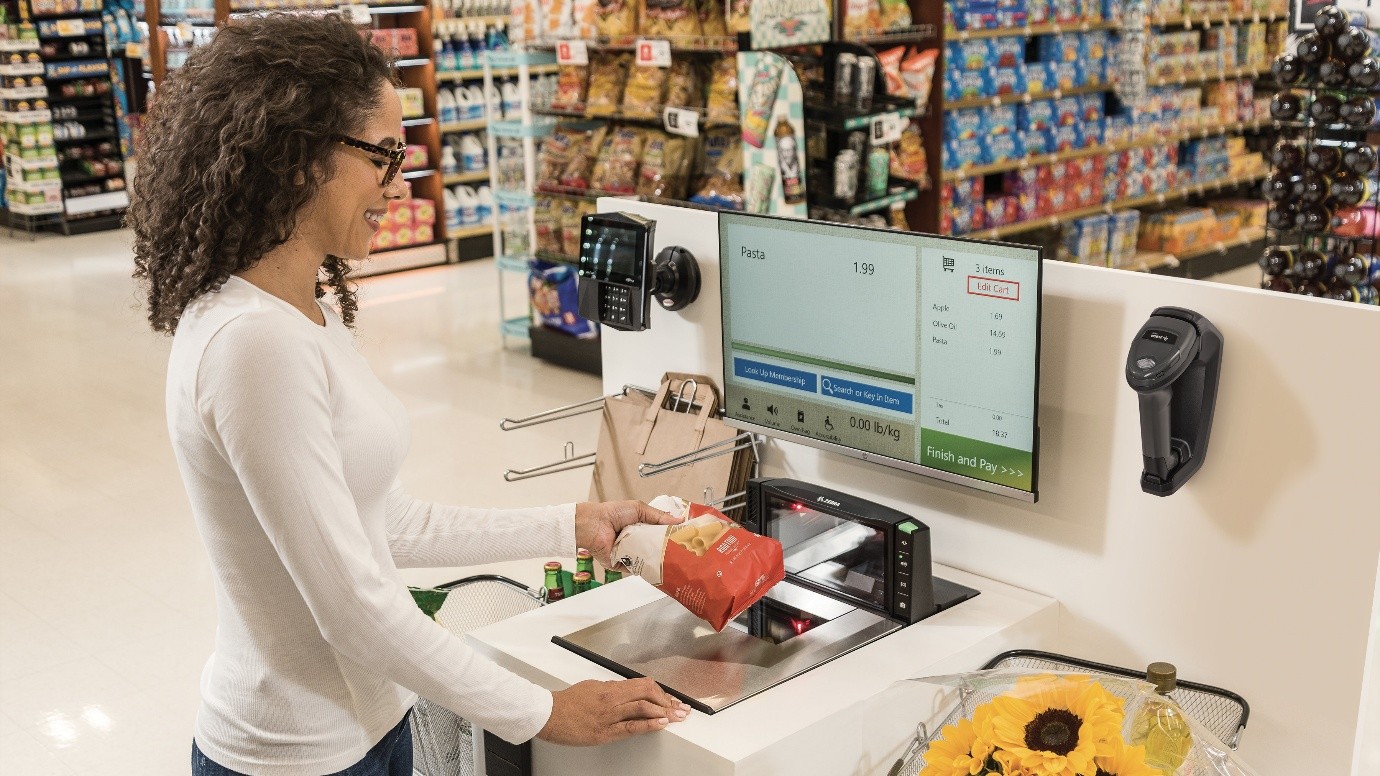
That’s where modern barcode inventory management systems come in. With mobile scanning, POS integration, and centralized ERP syncing, these systems help retailers:

  • Prevent stockouts and overstocking
  • Enable faster order fulfillment
  • Improve in-store and online availability
  • Automate cycle counts and shelf audits
  • Trigger instant replenishment alerts

A 2025 report by Zebra Technologies found that 82% of retailers plan to increase their investment in inventory visibility solutions to meet omnichannel demands.
 (Source: Zebra Technologies 2025 Retail Vision Study)

Why Real-Time Visibility Matters More Than Ever?

Let’s face it: customers expect accurate product availability whether they shop in-store, on your website, or via mobile apps. Delays in updating stock can lead to split shipments, cancellations, and negative CX. Here’s how real-time barcode systems bridge that gap.

Function Impact on Retail Operations
POS Barcode Integration Syncs real-time inventory across sales channels
SKU Tracking & Reporting Tracks location, movement, and quantity per product
Shelf Scanning Enables faster audits and instant stock updates
ERP Integration Aligns back-office data with store-level inventory
Stock Alerts Triggers replenishment based on predefined thresholds

What Features Should You Look for in a Barcode System?

If your existing solution isn’t delivering real-time stock visibility, it’s time to upgrade. Key features that deliver business value include:

  • Cloud-based synchronization across e-commerce, mobile apps, and POS
  • Mobile scanning with rugged or smartphone-based barcode readers
  • Integration-ready APIs for ERP and supply chain software
  • Custom workflows for cycle counts, transfers, and stock adjustments
  • Support for advanced tracking, including barcode asset tracking for high-value items

With barcode inventory management, your team gets full control of every SKU—from warehouse to webstore.

Is Omnichannel Success Possible Without Inventory Sync?

Short answer: No.
Real-time stock alignment drives key omnichannel use cases:

  • Click-and-collect: Ensure store inventory matches what’s online
  • Endless aisle: Offer out-of-stock products from other locations
  • BOPIS & BORIS: Buy/return options depend on accurate stock records
  • Auto replenishment: Trigger POs when stock reaches reorder levels

If your system relies on batch updates or manual reconciliation, you’re risking missed revenue and unhappy customers.

How Do Integrations Drive Operational Efficiency?

Imagine a customer places an order online while the store is processing a large POS sale. Without retail ERP integration, both systems could oversell the same unit. Barcode systems with robust middleware avoid this by:

  • Syncing data in near real-time
  • Aligning physical movement with digital updates
  • Offering dashboards for multi-location inventory monitoring

5th Wave is here with its range of options to cater to all your demands—from basic barcoding to advanced RFID-based visibility solutions that scale with your business needs.

What Kind of Retailers Benefit the Most?

Whether you’re a large chain, a specialty store, or an online-first brand expanding into physical retail—if omnichannel is your goal, barcode systems are your gateway.

Our solutions are tailor-made for:

Large Enterprises needing multi-warehouse synchronization
Retailers managing seasonal demand and product variation
Field service teams requiring mobile tracking tools
Logistics & distribution hubs handling high SKU volumes

Final Thoughts

Today’s retail is hybrid, dynamic, and customer-first. Without smart, real-time inventory visibility, even the best omnichannel strategies can fall apart.

So—are your systems smart enough to track, sync, and respond instantly?

Let’s connect and explore how our barcode inventory management and data collection tools can future-proof your operations.

Top 5 FAQs About Retail Barcode Inventory Systems

  1. What is barcode inventory management?
    It’s a method of using barcodes to track product quantities, movements, and locations across warehouses, stores, and online channels in real time.
  2. Can barcode systems integrate with my POS and ERP?
    Yes. Modern systems are designed with APIs and connectors to sync with retail POS, ERP, and e-commerce platforms seamlessly.
  3. How do barcode systems help in omnichannel retail?
    They ensure that inventory data across physical and digital storefronts is always up to date—crucial for services like click-and-collect or same-day delivery.
  4. Is barcode asset tracking different from inventory tracking?
    Yes. Barcode asset tracking focuses on monitoring high-value or non-inventory items (like tools or IT equipment), while inventory tracking manages stock meant for sale.
  5. Do I need hardware upgrades to use barcode systems?
    Not necessarily. Many solutions work with smartphones or tablets, though rugged barcode scanners are preferred for high-volume environments.

Need a smarter way to manage your inventory? Let’s start a conversation.

We’re here to help your team make better, faster, and more informed inventory decisions—across every sales channel.

Field Services Go Digital: How Enterprise Mobility Increases Productivity in Utilities and Maintenance?

When you’re in the trenches of utility or telecom operations, you already know the pressure: critical assets need immediate attention, systems must stay live, and every second a technician spends idle is money lost. This is where enterprise mobility solutions are rewriting the field playbook — and fast.

But what if your technicians could resolve more calls per day — even in zero-connectivity zones?
And what if your systems could talk to each other — in real time, across regions?

Let’s break down how this digital shift is reshaping utilities, telecom, and maintenance workforces across the board.

Why Are Utilities and Maintenance Going Mobile Now?

The demand for faster service resolution, real-time asset visibility, and smarter workforce deployment is driving large enterprises toward enterprise mobility solutions. Rugged devices like Zebra L10 tablets and smartphones are becoming must-haves — not luxuries.

But mobility is about more than devices. It’s about transforming the way field data flows — seamlessly connecting asset inspections, GIS systems, mobile work orders, and FSM platforms.

According to MarketsandMarkets (2025), the Field Service Management market is projected to reach $10.81 billion by 2026, growing at 11.9% CAGR — and mobile tech is at the heart of this acceleration.

How Are Rugged Devices Enhancing Field Workflows?

Today’s rugged tablets do more than withstand drops and bad weather. They empower technicians to:

  • Access digital work orders and inspection checklists
  • Capture asset conditions using integrated cameras and RFID
  • Sync GIS data and overlay maps in real time
  • Run remote diagnostics, even in offline modes

Field crews aren’t just filling out reports — they’re diagnosing transformers, configuring routers, or documenting inspections — all in one interface.

But what happens when technicians lose signal in remote regions?

That’s where offline data capture and background sync come into play, making sure no critical inspection or repair log is lost — syncing automatically once a connection is re-established.

What’s Driving Productivity Gains in Field Services?

Productivity is no longer just about faster task completion — it’s about smarter operations.

When rugged devices are integrated with Field Service Management (FSM) software, you unlock:

  • Real-time technician tracking via GPS
  • Automated dispatching based on skill, proximity, and availability
  • Live status updates and SLA monitoring
  • Predictive maintenance through integrated diagnostics

Field teams can complete more jobs, reduce downtime, and even troubleshoot remotely — without dispatching secondary crews.

Here’s what many enterprises are still missing…

GIS integration. When you embed Geographic Information Systems into your mobility stack, technicians can view spatial data, underground utilities, or terrain conditions, giving them location-specific insights that boost first-time fix rates.

Can Enterprise Mobility Support Large-Scale Deployments?

Absolutely. Whether you’re overseeing 500 or 5,000 assets, enterprise mobility solutions scale across:

  • Utilities: Automate meter reading, outage response, and asset tracking.
  • Telecom: Speed up network rollouts, tower maintenance, and signal testing.
  • Facilities Maintenance: Streamline HVAC checks, elevator inspections, and safety compliance.

Add in rugged hardware like the Zebra L10, integrated FSM platforms, and tools like mobile inventory management, and you’ve got a connected, context-aware workforce.

5th Wave is right there with its range of options to cater to all your demands — from basic barcoding to RFID-integrated tablets for advanced field diagnostics.

How Can You Future-Proof Your Field Service Operations?

To stay ahead, enterprises need more than devices. They need:

  • Custom workflows tailored to your industry
  • Seamless integration with existing ERP, EAM, or FSM software
  • Offline-first capabilities for true field resilience
  • Real-time visibility into operations

And perhaps most importantly — a solutions partner who understands how field teams work, and what slows them down.

FAQs that you must take note of –

Q1. What is enterprise mobility in utilities and maintenance?
 It’s the use of mobile tech like rugged tablets and FSM platforms to streamline inspections, work orders, diagnostics, and reporting — all in the field.

Q2. How does offline data capture work in remote areas?
 Technicians can collect data offline, and once they regain connectivity, the system automatically syncs the information to central databases or cloud servers.

Q3. What’s the role of GIS in field services?
 GIS integration helps technicians visualize asset locations, underground lines, or terrain — enabling faster, more accurate field decisions.

Q4. Which rugged devices are best for field operations?
 Devices like the Zebra L10 are built for harsh environments, offering touchscreens, RFID, barcode scanning, and long battery life.

Q5. Can enterprise mobility solutions integrate with existing FSM systems?
 Yes. Leading solutions are API-ready and can integrate with popular FSM software, ERPs, and GIS platforms to offer end-to-end service visibility.

Ready to Mobilize Your Field Force?

If you’re still relying on paper logs or outdated handhelds, your teams are working harder than they should. Modernizing with enterprise mobility solutions doesn’t just reduce errors — it unlocks untapped efficiencies across your entire field operation.

Want to know which mobile strategy works best for your environment?
Let’s talk — we’ll show you how to map your assets, digitize inspections, and empower your technicians to do more — with less.

WIP Tracking in Metal Fabrication: From Raw Plate to Precision-Finished Part!

The secret to zero scrap in metal shops? It starts here.

Every fabrication floor hides a secret: Work in Progress can silently become lost progress. If you can’t see where every part is, where it’s going, and how much material is left—you’re already behind. With work in progress tracking software, you get a complete digital footprint—from raw plate to the final bend.

Real-time visibility isn’t optional anymore—it’s your edge.

Why You’re Losing Track Between Cut and Weld

In custom metal fabrication, parts don’t follow a single path—they branch, rejoin, detour. Whether it’s plasma cutting, CNC routing, or robotic welding, your team needs precision-level tracking across work centers. But most legacy systems weren’t built to handle multistage, multi-path routing.

Here’s what modern work in progress tracking software solves for you:

  • Tracks part movement across CNCs, benders, presses, weld bays, and finishing zones
  • Monitors job traveler updates in real time with RFID, barcode, or mobile inputs
  • Provides exact part locations, process status, and downtime alerts
  • Links nesting software with cut planning and leftover inventory
  • Enforces weld certifications and traceability for QA audits

And it does it all while syncing with ERP and MES platforms—no double entry, no guesswork.

What Really Happens to That Plate After It’s Cut?

(Here’s where it gets interesting)

Most shops only track parts at the job level, not the individual plate. But a nested sheet may serve multiple jobs, and any scrap or re-cut affects downstream routing. With RFID-tagged raw materials and real-time nesting feedback, WIP software gives you:

  • Nested cut traceability: Link raw plate ID to each part cut
  • Scrap monitoring: Flag dropped parts, reworks, and recovery attempts
  • Material optimization: Reuse usable leftovers across jobs
  • Job traveler automation: Push updates to operators by mobile devices

According to a 2024 survey by Fabricator Institute, 67% of metal fabricators say they still rely on manual tracking at one or more work centers—leading to an average of 9% higher material loss across projects.

From CNC to Welding—Where the Data Gaps Hurt Most

Still using paper tags or Excel sheets on the floor? Here’s what you’re risking:

  • Unaccounted delays: CNC done, but welding never got the part
  • Missing certifications: Welded without proper inspection or operator sign-off
  • Inefficient job routing: A 2-step job takes 4 steps due to miscommunication
  • No part-level tracking: Hard to recall or isolate defective runs

WIP tracking software brings machine-level status visibility, operator accountability, and system-driven traceability. Imagine knowing not just what happened, but whenwhere, and why—in real time.

Ready for Mobility? Here’s What That Looks Like

Your operators, supervisors, and inspectors—all with live floor data in their hands.

Our solutions are built mobile-first—enabling your team to scan, verify, and act instantly. From basic barcode scanning to advanced RFID tagging, you get:

  • Smart tablets for welders to close jobs with certs attached
  • Kiosk stations to view work center load and assign tasks
  • Mobile alerts for missed scans, late starts, or exceptions
  • RFID floor tracking to monitor parts across 6+ stages

5th Wave is there with its range of options to cater to all your demands—scalable, field-tested, and fully customizable for your workflow.

What You Can Do Next (But Most Don’t)

Here’s where many metal shops stop short: they optimize part nesting, but never sync it with machine schedules, labor availability, or job changeovers.

What if your bending queue updated the moment CNC finishes a batch?
What if a rejected weld triggered an automatic recut order upstream?

That’s where work in progress tracking software becomes more than just a tracker. It becomes your control center.

Three Questions You’ll Be Asking Next

  • What’s the cost of one delayed part when the customer’s delivery window closes?
  • How often are reworks happening because the wrong revision hit the floor?
  • What if your shop could spot those errors before they reach inspection?

Let’s Connect the Dots

You’re not just managing parts—you’re managing movement, people, and precision. Whether it’s a three-step job or a twelve-stage custom build, every delay, misroute, or missed weld cert adds friction.

With our work in progress tracking software, you eliminate blind spots—while improving traceability, compliance, and overall throughput. It’s time to move from reactive to predictive.

And if you’re also looking to streamline shipping or inventory prep, our order fulfillment software can help you finish strong.

A Gentle Nudge Before You Go

You already know where your floor loses time. Let’s show you exactly where—and how fast you can fix it. Want a quick walkthrough of how it works in your shop?

Let’s talk.

Revolutionize Warehouse Labeling with Zebra Mobile Printers!

What if inventory errors were a thing of the past?

Imagine a warehouse where inventory discrepancies are nearly eliminated, labels are always accurate, and workers never waste time walking back to a central printer. With Zebra barcode printers, that future is already here—bringing mobility, speed, and precision directly to your warehouse floor.

Let’s give you the brief of the same –

Why Traditional Labeling No Longer Works

In high-velocity environments like manufacturing, logistics, and retail, centralized label printing is slow, error-prone, and inefficient. Workers often lose valuable time walking to fixed printers, mislabeling inventory, or scanning incorrect locations.

Here’s how Zebra’s mobile solutions flip that script.

How Zebra Mobile Barcode Printers Fix It – Right at the Point of Activity

Zebra ZQ620 mobile printers, powered by Bluetooth and Wi-Fi, allow your staff to print labels on-demand—right where inventory activities happen: during cycle counting, putaway, and inventory transfers.

With seamless integration into mobile WMS apps, warehouse staff can generate shelf and pallet labels instantly. The result? No back-and-forth. No guesswork. No labeling delays.

According to Zebra’s 2024 Warehouse Vision Study, 82% of operations plan to increase real-time mobile device usage to boost inventory accuracy.

At-a-Glance: Mobile Printing Advantages

Feature Traditional Painting Zebra ZQ620 Mobile Printing
Labeling Location Fixed Printer Station Point-of-Activity
Walk-Time High Near Zero
Labeling Errors Frequent Significantly Reduced
Real-Time Inventory Updates Delayed Instant
Connectivity Wired or Limited Wi-Fi/Bluetooth Enabled

What’s Slowing Down Your Warehouse Efficiency?

Still relying on static label printers? You’re likely battling high error rates, slower inventory turnarounds, and frustrated floor staff. With Zebra barcode printers, your cycle counts become faster and far more reliable—labels match inventory in real time.

Can You Afford to Keep Labeling Errors in the Dark?

Wrong shelf labels during putaway? Delayed product traceability in a high-pressure retail or manufacturing setting? Even minor labeling issues can cascade into major operational setbacks.

Zebra ZQ620 eliminates those risks with precision labeling on the move.

And when you pair these printers with Zebra handheld scanners, you’re looking at a unified mobile solution—scanning, verifying, and printing, all within seconds.

Label Smarter During Cycle Counts and Putaway

Mobile barcode printing isn’t just a convenience—it’s a strategic move to improve your KPIs. During cycle counts, your team can immediately relabel any inventory variance—no delay, no walking, no rework. During putaway, shelf labels are printed and applied as items are stored.

And with real-time WMS sync, every label update is instantly reflected across your system.

Transfers Without the Headaches

Labeling during inventory transfers often involves errors, mismatches, and delays. With Zebra barcode printers, workers can print new pallet labels on the spot, ensuring that items are correctly tagged before they leave or enter zones.

This dramatically reduces the chance of misplaced inventory or compliance issues.

Here’s the kicker: Want all of this without overhauling your existing infrastructure? That’s exactly where 5th Wave steps in—with scalable, plug-and-play mobility solutions tailored to your environment.

So What’s Next?

Wouldn’t it be smarter to print only what you need, when you need it, right where it’s needed? It’s time to stop treating labeling as an afterthought—and start using it as a precision tool for inventory accuracy.

But What If You Could See It in Action?

That’s one conversation away. Ask us how Zebra mobile printing can transform your operations.

What Would It Look Like to Slash Walk-Time by 40%?

We’ve helped Fortune 500s do it—and we can help you too.

Could One Printer Save You Thousands in Errors?

When accuracy drives everything, the answer is yes.