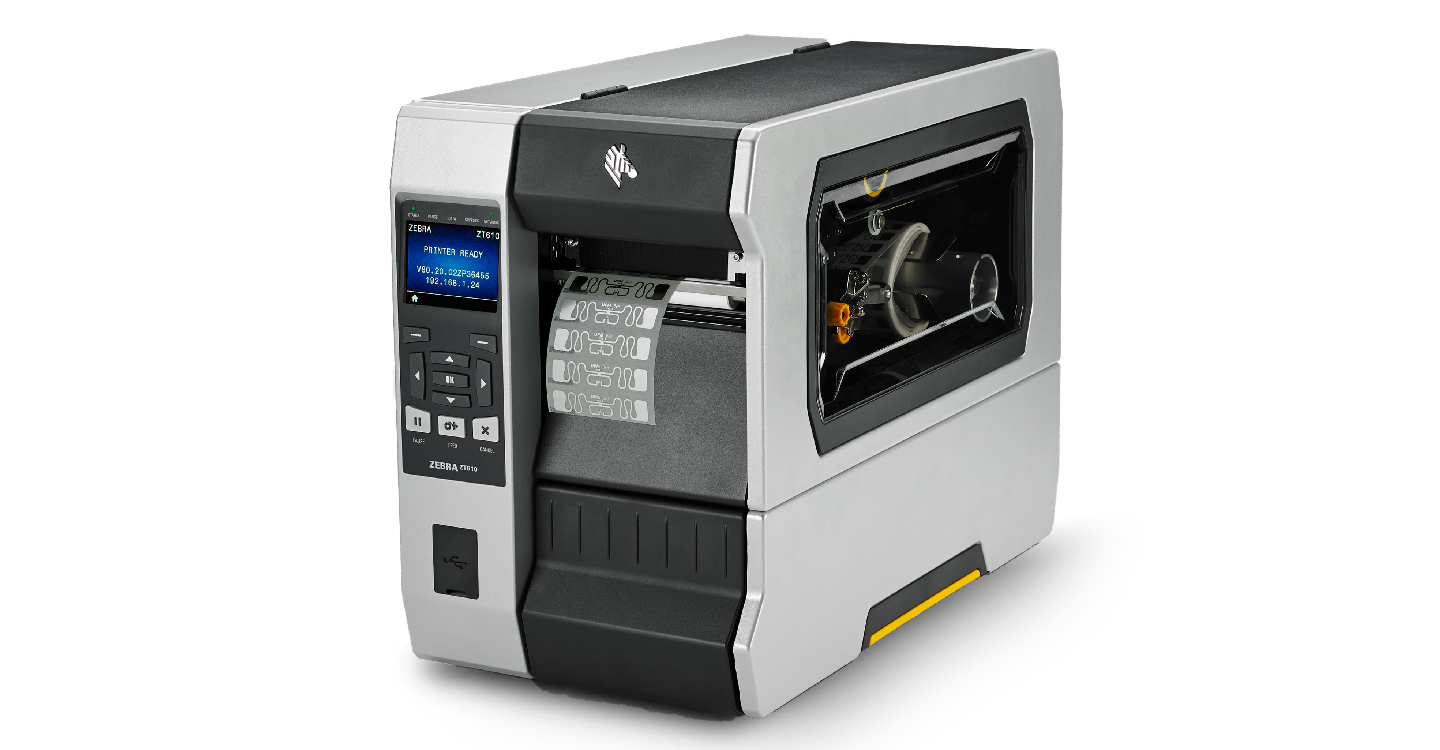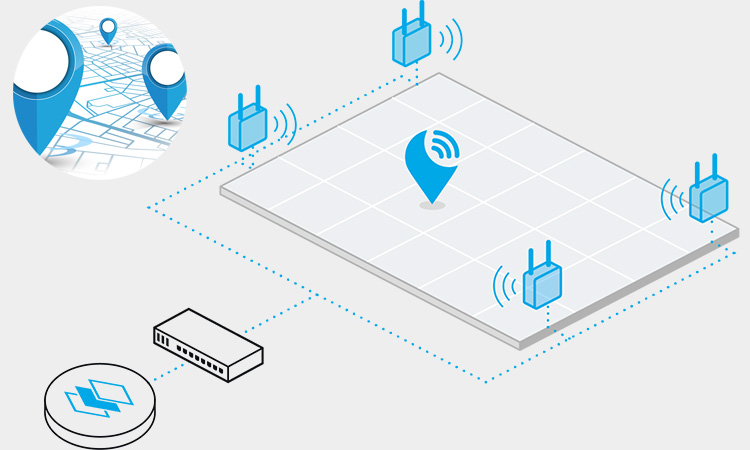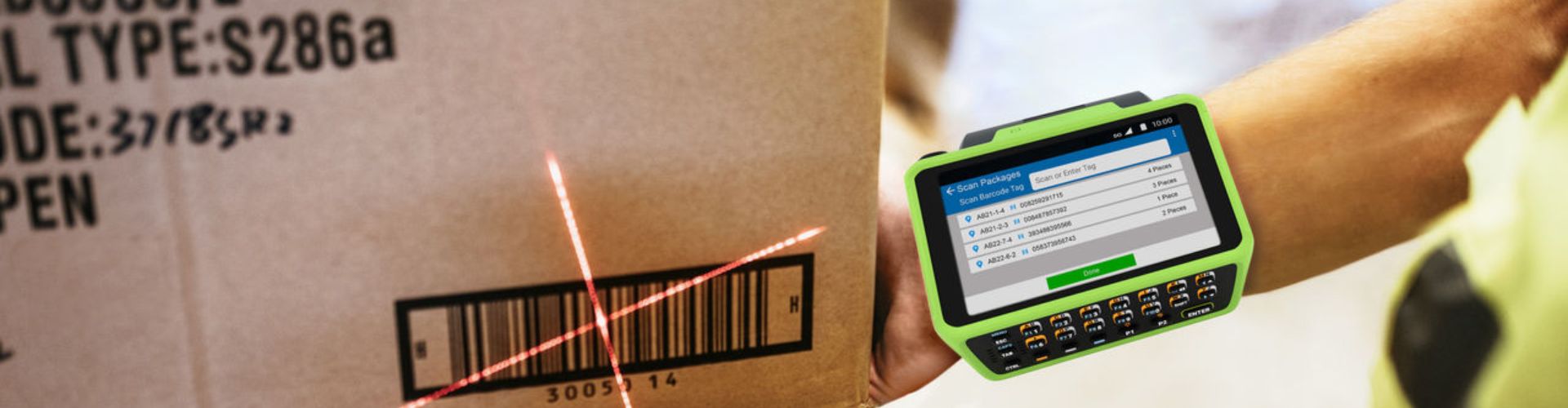
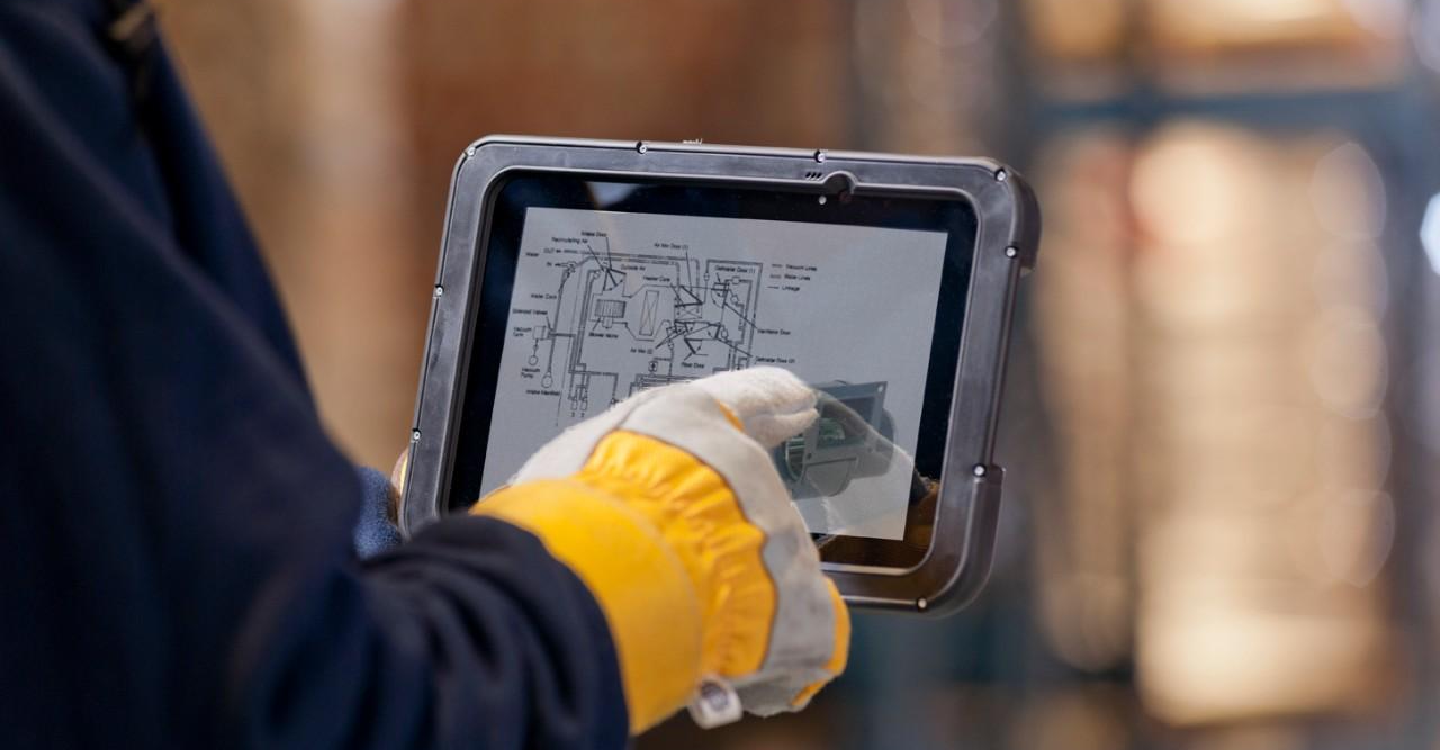
Real-Time Inventory Tracking with RFID Solutions for Modern Warehouses

Managing inventory in today’s fast-paced supply chain requires more than traditional spreadsheets and barcode systems. Businesses now demand real-time inventory tracking to reduce inefficiencies, minimize costs, and improve accuracy. This is where RFID asset tracking and advanced RFID warehouse solutions are transforming operations across industries.

The Need for Real-Time Inventory Tracking

Manual inventory management often leads to human error, stock discrepancies, and delays in fulfillment. As customer expectations grow, businesses can no longer afford to operate with inaccurate or outdated stock levels. Real-time inventory tracking ensures continuous visibility of goods within warehouses, factories, and retail outlets.

With RFID technology, businesses gain instant updates on product movement, automatically syncing data into their systems. This eliminates manual counting, saves labor hours, and ensures inventory is always accurate.

How RFID Asset Tracking Works

RFID asset tracking uses radio frequency identification tags attached to products, tools, or equipment. Each tag contains unique information that RFID readers capture and transmit to a centralized system. Unlike barcodes, RFID does not require direct line-of-sight, making scanning faster and more efficient.

Some key benefits of RFID asset tracking include:

  • Seamless monitoring of assets from the moment they enter the warehouse to when they are shipped out.
  • Improved accountability by reducing asset misplacements and theft.
  • Automated logging of data without human intervention.

In industries like healthcare, manufacturing, and retail, RFID asset tracking ensures that high-value items are always located and managed in real time.

RFID Inventory Tracking for Accuracy

Accuracy is one of the biggest challenges in inventory management. RFID inventory tracking enhances visibility by automatically recording item movements and locations. This technology enables businesses to:

  • Conduct instant cycle counts and stock audits.
  • Prevent overstocking and stockouts.
  • Improve fulfillment speed and reduce errors in order picking.

For example, a warehouse equipped with RFID readers can scan thousands of items within minutes, while traditional barcode scanning would take hours. This provides businesses with a competitive advantage in meeting customer demands efficiently.

RFID Warehouse Solutions for Operational Efficiency

Warehouses face ongoing pressure to deliver faster while maintaining cost efficiency. RFID warehouse solutions provide scalable tracking systems that integrate seamlessly into warehouse management software. These solutions help automate processes such as:

  • Receiving and dispatching shipments.
  • Real-time location tracking of pallets and packages.
  • Verifying order accuracy before dispatch.

By implementing RFID warehouse solutions, businesses benefit from:

  • Faster turnaround times.
  • Labor cost savings.
  • Higher efficiency in space utilization through better tracking of stored items.

These improvements not only boost internal productivity but also improve customer satisfaction with timely and accurate order fulfillment.

Custom RFID Tags for Industry-Specific Needs

Every business has unique inventory and asset management challenges. That’s why custom RFID tags play a crucial role in creating tailored solutions. Companies can choose tags that resist harsh environments, extreme temperatures, or liquid exposure, depending on the nature of their operations.

Some applications of custom RFID tags include:

  • Rugged tags for heavy machinery and outdoor assets.
  • Washable tags for textile and garment tracking.
  • High-memory tags for applications requiring detailed data storage.

By leveraging custom RFID tags, organizations can ensure that their RFID system functions with maximum efficiency, specifically suited to their environment.

The Future of RFID in Inventory Management

With the rise of Industry 4.0 and IoT-enabled systems, RFID is becoming a cornerstone of digital supply chains. Combining RFID-enabled real-time inventory tracking with predictive analytics and AI will allow businesses to anticipate demand, optimize stock levels, and streamline logistics.

Forward-looking companies that invest in RFID inventory tracking today will be better equipped to adapt to market fluctuations and growing customer demands.

How Much Are You Losing Without Tracking? A Data-Driven Look at Opportunity Costs!

For those still operating without manufacturing tracking systems, you may be bleeding revenue daily—without even realizing it. From production floor delays to missed deliveries, the opportunity cost of zero real-time visibility is higher than most leaders estimate. What exactly are you losing every hour you go blind?

Here’s a data-driven breakdown that might shift your perspective forever.

What’s the Real Cost of Not Tracking?

Think beyond ROI. Think about the money you’re not making—or worse, losing—because there’s no visibility into your shop floor, inventory levels, or logistics chain.

Without manufacturing tracking systems, you’re facing:

  • Hidden downtime
  • Excess WIP (Work-In-Progress)
  • Penalties from late deliveries
  • Stockouts and overstocking
  • Customer dissatisfaction and churn

Every minute without tracking means a missed insight, delayed decision, or costly inefficiency.

Could Your Team Be Working Harder… and Producing Less?

Yes. And it’s more common than you think. A 2024 report by Deloitte revealed that 36% of manufacturers report up to 20% productivity loss due to lack of real-time data visibility.  

That’s not just inefficiency—it’s a recurring, daily financial leak.

Let’s take a closer look.

Where the Money’s Slipping Through: A Quick Comparison

Loss Area With Tracking System Without Tracking System
Production Downtime Reduced by 25–40% High & often unnoticed
Inventory Accuracy 95%+ real-time 70–80%, often manual
Order Fulfillment Speed 30% faster Delays up to 2–3 days
Late Shipment Penalties Rare occurrences Frequent, costly
Customer Satisfaction Higher retention Increased churn risk

Numbers don’t lie. Lack of visibility isn’t just a risk—it’s a measurable loss.

Why Are Manufacturers Still Hesitating?

Many businesses are reluctant to invest in manufacturing tracking systems, thinking of it as an operational expense rather than a value-generating asset.

But here’s the thing: doing nothing is a choice—and an expensive one.

Not tracking leads to:

  • Poor demand forecasting
  • Bloated inventory costs
  • Missed reorders
  • Bottlenecks going unnoticed
  • Inefficient labor utilization

The cost of inaction adds up silently but steadily. You feel it in fire-fighting mode, in dissatisfied customers, and in growing operational costs.

What If You Could Know Exactly Where Every Asset Is—In Real-Time?

That’s not science fiction. It’s what modern manufacturing tracking systems powered by mobile and RFID tech can offer today.

Imagine barcode scanning across your WIP lines, RFID-tagged inventory, and mobile data collection at every checkpoint. You don’t just track—you optimize.

And 5th Wave is here with its range of options to cater to all your demands, from basic barcoding to advanced, integrated RFID-based tracking systems.

What Opportunity Costs Are You Ignoring?

Let’s break it down by the minute:

  • Every hour of unplanned downtime costs thousands in lost productivity.
  • Every day of inaccurate inventory counts inflates carrying costs.
  • Every week of delayed orders compounds into churned accounts.

Now, multiply that across a year. Can you afford not to act?

Let’s Flip the Question—What Would You Gain?

By implementing smart, scalable manufacturing tracking solutions, you gain:

  • Real-time data visibility
  • Efficient material movement
  • Predictable delivery schedules
  • Better customer experiences
  • Fewer costly surprises

Instead of reacting to problems, you proactively prevent them.

Final Thought: What’s Your Profit Potential If You Start Tracking Today?

You already have the data—scattered across operations, lines, and warehouses. The right system doesn’t just collect it. It connects it.

So, ask yourself:

What’s the cost of continuing without insight, and what could you gain with full visibility?

5 FAQs About Manufacturing Tracking Systems

  1. What is a manufacturing tracking system?
    A manufacturing tracking system collects and monitors real-time data from production lines, inventory, and logistics to boost efficiency, reduce downtime, and support smart decision-making.
  2. How do tracking systems prevent losses?
    They identify bottlenecks, flag idle resources, and improve delivery accuracy—helping reduce penalties, rework, and customer churn.
  3. Are RFID solutions better than barcode systems?
    RFID offers hands-free, bulk scanning, ideal for fast-paced environments. Barcodes are cost-effective for simpler applications. The choice depends on your use case.
  4. Can I integrate tracking systems with my ERP?
    Yes, most modern tracking solutions are ERP-compatible, offering seamless data sync across your operations and business intelligence platforms.
  5. Is a tracking solution scalable for SMEs?
    Absolutely. Solutions like those from 5th Wave are modular and customizable—scalable for both small manufacturers and enterprise-level plants.

Want to stop losing money without even noticing? Start the conversation today.

Let us show you how visibility drives profitability.

Real-Time Data Flow: Why Backend Integration is the Game-Changer?

Many enterprises still believe real-time data collection begins and ends with front-end dashboards. But here’s the truth: what really powers real-time insights is backend system integration. Without it, you’re just syncing noise—not intelligence. Enterprises that fail to connect their backend systems are unknowingly draining efficiency, speed, and accuracy across operations.

It is time to unveil the specifics of it all!

Why Is Backend System Integration So Critical Now?

Real-time decision-making has become non-negotiable. But how can you make fast, accurate decisions if your ERP, MES, CRM, SCADA, and IoT platforms are working in silos?

Here’s how backend system integration changes the game:

  • Eliminates data silos by connecting systems of record into one enterprise data pipeline
  • Accelerates real-time data sync, reducing latency across platforms
  • Supports predictive and proactive decision-making with timely, accurate data
  • Creates a unified view across departments, from operations to customer service
  • Strengthens IoT data ingestion into core business workflows

Still relying on spreadsheets and isolated systems? You’re not collecting real-time data—you’re reacting too late.

How Does Backend Integration Enable Enterprise-Wide Visibility?

You need more than just barcoding and RFID tools. Integration sits at the heart of any real-time data collection strategy. It links the technologies you already use—whether on-site or in the field.

Key Benefits:

  • Message Brokers (e.g., Kafka, MQTT): Enable scalable, low-latency communication between systems
  • API Integration: Seamlessly connects cloud-based and on-premises platforms
  • Data Aggregation Engines: Normalize and transform data for uniformity
  • Real-time Dashboards: Consume backend-synced data for frontline visibility

According to Gartner’s 2024 Digital Transformation Trends, 72% of enterprises cite backend integration as the primary enabler of real-time analytics.

What Systems Can You Integrate for Maximum Efficiency?

Don’t just think ERP or CRM. Think end-to-end data sync.

  • ERP (SAP, Oracle): Sync order, inventory, and financial data
  • MES: Capture production data in real time for quality control
  • CRM: Bridge customer interactions with supply chain workflows
  • SCADA/PLC: Feed machine and process data into decision systems
  • IoT Platforms: Ingest sensor data to drive intelligent automation
  • RFID & Barcode Devices: Sync scanned data directly into central systems

Whether you’re in manufacturing, retail, logistics, or healthcare—backend integration ensures data collected at the edge reaches your core systems instantly.

What Happens If You Don’t Integrate Your Backend Systems?

Disconnected systems don’t just slow you down—they cost you money. Inaccuracy, duplicate efforts, and decision delays all bleed your ROI.

Here’s what poor integration really looks like:

  • Stale data making its way into critical decisions
  • Manual entry leading to data loss and duplication
  • Operational teams flying blind without system-wide visibility
  • Compliance risks from untracked data points

It’s not just inefficient—it’s risky.

Where Does Backend Integration Meet Mobility?

In a mobile-first world, field workforce apps rely heavily on backend integrations to ensure they operate with real-time data. Whether a technician is scanning inventory, a healthcare worker is updating patient records, or a logistics agent is confirming delivery—data must flow instantly from edge to core.

How Does the 5th Wave Help You Stay Ahead?

At 5th Wave, we understand your operational complexity. Whether you’re using RFID, advanced barcoding, or IoT-based solutions, we offer a range of backend integration services that are tailored to your existing tech stack. From mobile data collection to enterprise-grade synchronization—we’re here with our range of options to cater to all your demands.

Want to Build a Future-Proof Data Collection Ecosystem?

When you connect your platforms through smart backend integration, you empower your teams, streamline your workflows, and make your data work harder for you.

It’s not just about tech. It’s about transforming how your business moves, measures, and decides.

5 FAQs You Shouldn’t Miss

Q1: What is backend system integration?
 Backend system integration is the process of connecting enterprise systems like ERP, CRM, and IoT platforms to ensure continuous, real-time data exchange.

Q2: How does it support real-time data collection?
 It enables seamless data sync between systems, reducing latency and allowing instant access to accurate data for smarter decisions.

Q3: Which tools are used for integration?
 Common tools include APIs, message brokers (like Kafka), and middleware platforms that link data pipelines across systems.

Q4: Can it improve IoT data ingestion?
 Absolutely. Integrated backend systems ensure that IoT sensor data is processed, normalized, and routed into enterprise platforms for actionable insights.

Q5: Is backend integration scalable for SMEs?
 Yes. Solutions can be customized for scalability, whether you’re a global manufacturer or a small business with growing data needs.

Final Thought: Ready to Stop Running on Fragmented Data?

Let’s face it—without integration, your data is just fragmented noise. Backend system integration is the foundation for true operational intelligence.

Want to see how integration can redefine your enterprise data strategy? Let’s talk.

Retail Barcode Inventory Systems: Meeting Omnichannel Demands with Real-Time Visibility!

What if a customer orders online—but your system shows “in stock” while the shelf is actually empty?
That single moment could lead to a lost sale, a poor review, and a damaged brand. In today’s fast-paced retail landscape, barcode inventory management isn’t optional—it’s your foundation for omnichannel success.

Let us get you the updates right away!

How Do Barcode Inventory Systems Power Omnichannel Retail?

You’re likely managing stock across physical stores, e-commerce platforms, and third-party marketplaces. The key challenge? Synchronizing inventory data in real-time so that every SKU is tracked accurately across every channel.

That’s where modern barcode inventory management systems come in. With mobile scanning, POS integration, and centralized ERP syncing, these systems help retailers:

  • Prevent stockouts and overstocking
  • Enable faster order fulfillment
  • Improve in-store and online availability
  • Automate cycle counts and shelf audits
  • Trigger instant replenishment alerts

A 2025 report by Zebra Technologies found that 82% of retailers plan to increase their investment in inventory visibility solutions to meet omnichannel demands.
 (Source: Zebra Technologies 2025 Retail Vision Study)

Why Real-Time Visibility Matters More Than Ever?

Let’s face it: customers expect accurate product availability whether they shop in-store, on your website, or via mobile apps. Delays in updating stock can lead to split shipments, cancellations, and negative CX. Here’s how real-time barcode systems bridge that gap.

Function Impact on Retail Operations
POS Barcode Integration Syncs real-time inventory across sales channels
SKU Tracking & Reporting Tracks location, movement, and quantity per product
Shelf Scanning Enables faster audits and instant stock updates
ERP Integration Aligns back-office data with store-level inventory
Stock Alerts Triggers replenishment based on predefined thresholds

What Features Should You Look for in a Barcode System?

If your existing solution isn’t delivering real-time stock visibility, it’s time to upgrade. Key features that deliver business value include:

  • Cloud-based synchronization across e-commerce, mobile apps, and POS
  • Mobile scanning with rugged or smartphone-based barcode readers
  • Integration-ready APIs for ERP and supply chain software
  • Custom workflows for cycle counts, transfers, and stock adjustments
  • Support for advanced tracking, including barcode asset tracking for high-value items

With barcode inventory management, your team gets full control of every SKU—from warehouse to webstore.

Is Omnichannel Success Possible Without Inventory Sync?

Short answer: No.
Real-time stock alignment drives key omnichannel use cases:

  • Click-and-collect: Ensure store inventory matches what’s online
  • Endless aisle: Offer out-of-stock products from other locations
  • BOPIS & BORIS: Buy/return options depend on accurate stock records
  • Auto replenishment: Trigger POs when stock reaches reorder levels

If your system relies on batch updates or manual reconciliation, you’re risking missed revenue and unhappy customers.

How Do Integrations Drive Operational Efficiency?

Imagine a customer places an order online while the store is processing a large POS sale. Without retail ERP integration, both systems could oversell the same unit. Barcode systems with robust middleware avoid this by:

  • Syncing data in near real-time
  • Aligning physical movement with digital updates
  • Offering dashboards for multi-location inventory monitoring

5th Wave is here with its range of options to cater to all your demands—from basic barcoding to advanced RFID-based visibility solutions that scale with your business needs.

What Kind of Retailers Benefit the Most?

Whether you’re a large chain, a specialty store, or an online-first brand expanding into physical retail—if omnichannel is your goal, barcode systems are your gateway.

Our solutions are tailor-made for:

Large Enterprises needing multi-warehouse synchronization
Retailers managing seasonal demand and product variation
Field service teams requiring mobile tracking tools
Logistics & distribution hubs handling high SKU volumes

Final Thoughts

Today’s retail is hybrid, dynamic, and customer-first. Without smart, real-time inventory visibility, even the best omnichannel strategies can fall apart.

So—are your systems smart enough to track, sync, and respond instantly?

Let’s connect and explore how our barcode inventory management and data collection tools can future-proof your operations.

Top 5 FAQs About Retail Barcode Inventory Systems

  1. What is barcode inventory management?
    It’s a method of using barcodes to track product quantities, movements, and locations across warehouses, stores, and online channels in real time.
  2. Can barcode systems integrate with my POS and ERP?
    Yes. Modern systems are designed with APIs and connectors to sync with retail POS, ERP, and e-commerce platforms seamlessly.
  3. How do barcode systems help in omnichannel retail?
    They ensure that inventory data across physical and digital storefronts is always up to date—crucial for services like click-and-collect or same-day delivery.
  4. Is barcode asset tracking different from inventory tracking?
    Yes. Barcode asset tracking focuses on monitoring high-value or non-inventory items (like tools or IT equipment), while inventory tracking manages stock meant for sale.
  5. Do I need hardware upgrades to use barcode systems?
    Not necessarily. Many solutions work with smartphones or tablets, though rugged barcode scanners are preferred for high-volume environments.

Need a smarter way to manage your inventory? Let’s start a conversation.

We’re here to help your team make better, faster, and more informed inventory decisions—across every sales channel.

Field Services Go Digital: How Enterprise Mobility Increases Productivity in Utilities and Maintenance?

When you’re in the trenches of utility or telecom operations, you already know the pressure: critical assets need immediate attention, systems must stay live, and every second a technician spends idle is money lost. This is where enterprise mobility solutions are rewriting the field playbook — and fast.

But what if your technicians could resolve more calls per day — even in zero-connectivity zones?
And what if your systems could talk to each other — in real time, across regions?

Let’s break down how this digital shift is reshaping utilities, telecom, and maintenance workforces across the board.

Why Are Utilities and Maintenance Going Mobile Now?

The demand for faster service resolution, real-time asset visibility, and smarter workforce deployment is driving large enterprises toward enterprise mobility solutions. Rugged devices like Zebra L10 tablets and smartphones are becoming must-haves — not luxuries.

But mobility is about more than devices. It’s about transforming the way field data flows — seamlessly connecting asset inspections, GIS systems, mobile work orders, and FSM platforms.

According to MarketsandMarkets (2025), the Field Service Management market is projected to reach $10.81 billion by 2026, growing at 11.9% CAGR — and mobile tech is at the heart of this acceleration.

How Are Rugged Devices Enhancing Field Workflows?

Today’s rugged tablets do more than withstand drops and bad weather. They empower technicians to:

  • Access digital work orders and inspection checklists
  • Capture asset conditions using integrated cameras and RFID
  • Sync GIS data and overlay maps in real time
  • Run remote diagnostics, even in offline modes

Field crews aren’t just filling out reports — they’re diagnosing transformers, configuring routers, or documenting inspections — all in one interface.

But what happens when technicians lose signal in remote regions?

That’s where offline data capture and background sync come into play, making sure no critical inspection or repair log is lost — syncing automatically once a connection is re-established.

What’s Driving Productivity Gains in Field Services?

Productivity is no longer just about faster task completion — it’s about smarter operations.

When rugged devices are integrated with Field Service Management (FSM) software, you unlock:

  • Real-time technician tracking via GPS
  • Automated dispatching based on skill, proximity, and availability
  • Live status updates and SLA monitoring
  • Predictive maintenance through integrated diagnostics

Field teams can complete more jobs, reduce downtime, and even troubleshoot remotely — without dispatching secondary crews.

Here’s what many enterprises are still missing…

GIS integration. When you embed Geographic Information Systems into your mobility stack, technicians can view spatial data, underground utilities, or terrain conditions, giving them location-specific insights that boost first-time fix rates.

Can Enterprise Mobility Support Large-Scale Deployments?

Absolutely. Whether you’re overseeing 500 or 5,000 assets, enterprise mobility solutions scale across:

  • Utilities: Automate meter reading, outage response, and asset tracking.
  • Telecom: Speed up network rollouts, tower maintenance, and signal testing.
  • Facilities Maintenance: Streamline HVAC checks, elevator inspections, and safety compliance.

Add in rugged hardware like the Zebra L10, integrated FSM platforms, and tools like mobile inventory management, and you’ve got a connected, context-aware workforce.

5th Wave is right there with its range of options to cater to all your demands — from basic barcoding to RFID-integrated tablets for advanced field diagnostics.

How Can You Future-Proof Your Field Service Operations?

To stay ahead, enterprises need more than devices. They need:

  • Custom workflows tailored to your industry
  • Seamless integration with existing ERP, EAM, or FSM software
  • Offline-first capabilities for true field resilience
  • Real-time visibility into operations

And perhaps most importantly — a solutions partner who understands how field teams work, and what slows them down.

FAQs that you must take note of –

Q1. What is enterprise mobility in utilities and maintenance?
 It’s the use of mobile tech like rugged tablets and FSM platforms to streamline inspections, work orders, diagnostics, and reporting — all in the field.

Q2. How does offline data capture work in remote areas?
 Technicians can collect data offline, and once they regain connectivity, the system automatically syncs the information to central databases or cloud servers.

Q3. What’s the role of GIS in field services?
 GIS integration helps technicians visualize asset locations, underground lines, or terrain — enabling faster, more accurate field decisions.

Q4. Which rugged devices are best for field operations?
 Devices like the Zebra L10 are built for harsh environments, offering touchscreens, RFID, barcode scanning, and long battery life.

Q5. Can enterprise mobility solutions integrate with existing FSM systems?
 Yes. Leading solutions are API-ready and can integrate with popular FSM software, ERPs, and GIS platforms to offer end-to-end service visibility.

Ready to Mobilize Your Field Force?

If you’re still relying on paper logs or outdated handhelds, your teams are working harder than they should. Modernizing with enterprise mobility solutions doesn’t just reduce errors — it unlocks untapped efficiencies across your entire field operation.

Want to know which mobile strategy works best for your environment?
Let’s talk — we’ll show you how to map your assets, digitize inspections, and empower your technicians to do more — with less.

WIP Tracking in Metal Fabrication: From Raw Plate to Precision-Finished Part!

The secret to zero scrap in metal shops? It starts here.

Every fabrication floor hides a secret: Work in Progress can silently become lost progress. If you can’t see where every part is, where it’s going, and how much material is left—you’re already behind. With work in progress tracking software, you get a complete digital footprint—from raw plate to the final bend.

Real-time visibility isn’t optional anymore—it’s your edge.

Why You’re Losing Track Between Cut and Weld

In custom metal fabrication, parts don’t follow a single path—they branch, rejoin, detour. Whether it’s plasma cutting, CNC routing, or robotic welding, your team needs precision-level tracking across work centers. But most legacy systems weren’t built to handle multistage, multi-path routing.

Here’s what modern work in progress tracking software solves for you:

  • Tracks part movement across CNCs, benders, presses, weld bays, and finishing zones
  • Monitors job traveler updates in real time with RFID, barcode, or mobile inputs
  • Provides exact part locations, process status, and downtime alerts
  • Links nesting software with cut planning and leftover inventory
  • Enforces weld certifications and traceability for QA audits

And it does it all while syncing with ERP and MES platforms—no double entry, no guesswork.

What Really Happens to That Plate After It’s Cut?

(Here’s where it gets interesting)

Most shops only track parts at the job level, not the individual plate. But a nested sheet may serve multiple jobs, and any scrap or re-cut affects downstream routing. With RFID-tagged raw materials and real-time nesting feedback, WIP software gives you:

  • Nested cut traceability: Link raw plate ID to each part cut
  • Scrap monitoring: Flag dropped parts, reworks, and recovery attempts
  • Material optimization: Reuse usable leftovers across jobs
  • Job traveler automation: Push updates to operators by mobile devices

According to a 2024 survey by Fabricator Institute, 67% of metal fabricators say they still rely on manual tracking at one or more work centers—leading to an average of 9% higher material loss across projects.

From CNC to Welding—Where the Data Gaps Hurt Most

Still using paper tags or Excel sheets on the floor? Here’s what you’re risking:

  • Unaccounted delays: CNC done, but welding never got the part
  • Missing certifications: Welded without proper inspection or operator sign-off
  • Inefficient job routing: A 2-step job takes 4 steps due to miscommunication
  • No part-level tracking: Hard to recall or isolate defective runs

WIP tracking software brings machine-level status visibility, operator accountability, and system-driven traceability. Imagine knowing not just what happened, but whenwhere, and why—in real time.

Ready for Mobility? Here’s What That Looks Like

Your operators, supervisors, and inspectors—all with live floor data in their hands.

Our solutions are built mobile-first—enabling your team to scan, verify, and act instantly. From basic barcode scanning to advanced RFID tagging, you get:

  • Smart tablets for welders to close jobs with certs attached
  • Kiosk stations to view work center load and assign tasks
  • Mobile alerts for missed scans, late starts, or exceptions
  • RFID floor tracking to monitor parts across 6+ stages

5th Wave is there with its range of options to cater to all your demands—scalable, field-tested, and fully customizable for your workflow.

What You Can Do Next (But Most Don’t)

Here’s where many metal shops stop short: they optimize part nesting, but never sync it with machine schedules, labor availability, or job changeovers.

What if your bending queue updated the moment CNC finishes a batch?
What if a rejected weld triggered an automatic recut order upstream?

That’s where work in progress tracking software becomes more than just a tracker. It becomes your control center.

Three Questions You’ll Be Asking Next

  • What’s the cost of one delayed part when the customer’s delivery window closes?
  • How often are reworks happening because the wrong revision hit the floor?
  • What if your shop could spot those errors before they reach inspection?

Let’s Connect the Dots

You’re not just managing parts—you’re managing movement, people, and precision. Whether it’s a three-step job or a twelve-stage custom build, every delay, misroute, or missed weld cert adds friction.

With our work in progress tracking software, you eliminate blind spots—while improving traceability, compliance, and overall throughput. It’s time to move from reactive to predictive.

And if you’re also looking to streamline shipping or inventory prep, our order fulfillment software can help you finish strong.

A Gentle Nudge Before You Go

You already know where your floor loses time. Let’s show you exactly where—and how fast you can fix it. Want a quick walkthrough of how it works in your shop?

Let’s talk.

Revolutionize Warehouse Labeling with Zebra Mobile Printers!

What if inventory errors were a thing of the past?

Imagine a warehouse where inventory discrepancies are nearly eliminated, labels are always accurate, and workers never waste time walking back to a central printer. With Zebra barcode printers, that future is already here—bringing mobility, speed, and precision directly to your warehouse floor.

Let’s give you the brief of the same –

Why Traditional Labeling No Longer Works

In high-velocity environments like manufacturing, logistics, and retail, centralized label printing is slow, error-prone, and inefficient. Workers often lose valuable time walking to fixed printers, mislabeling inventory, or scanning incorrect locations.

Here’s how Zebra’s mobile solutions flip that script.

How Zebra Mobile Barcode Printers Fix It – Right at the Point of Activity

Zebra ZQ620 mobile printers, powered by Bluetooth and Wi-Fi, allow your staff to print labels on-demand—right where inventory activities happen: during cycle counting, putaway, and inventory transfers.

With seamless integration into mobile WMS apps, warehouse staff can generate shelf and pallet labels instantly. The result? No back-and-forth. No guesswork. No labeling delays.

According to Zebra’s 2024 Warehouse Vision Study, 82% of operations plan to increase real-time mobile device usage to boost inventory accuracy.

At-a-Glance: Mobile Printing Advantages

Feature Traditional Painting Zebra ZQ620 Mobile Printing
Labeling Location Fixed Printer Station Point-of-Activity
Walk-Time High Near Zero
Labeling Errors Frequent Significantly Reduced
Real-Time Inventory Updates Delayed Instant
Connectivity Wired or Limited Wi-Fi/Bluetooth Enabled

What’s Slowing Down Your Warehouse Efficiency?

Still relying on static label printers? You’re likely battling high error rates, slower inventory turnarounds, and frustrated floor staff. With Zebra barcode printers, your cycle counts become faster and far more reliable—labels match inventory in real time.

Can You Afford to Keep Labeling Errors in the Dark?

Wrong shelf labels during putaway? Delayed product traceability in a high-pressure retail or manufacturing setting? Even minor labeling issues can cascade into major operational setbacks.

Zebra ZQ620 eliminates those risks with precision labeling on the move.

And when you pair these printers with Zebra handheld scanners, you’re looking at a unified mobile solution—scanning, verifying, and printing, all within seconds.

Label Smarter During Cycle Counts and Putaway

Mobile barcode printing isn’t just a convenience—it’s a strategic move to improve your KPIs. During cycle counts, your team can immediately relabel any inventory variance—no delay, no walking, no rework. During putaway, shelf labels are printed and applied as items are stored.

And with real-time WMS sync, every label update is instantly reflected across your system.

Transfers Without the Headaches

Labeling during inventory transfers often involves errors, mismatches, and delays. With Zebra barcode printers, workers can print new pallet labels on the spot, ensuring that items are correctly tagged before they leave or enter zones.

This dramatically reduces the chance of misplaced inventory or compliance issues.

Here’s the kicker: Want all of this without overhauling your existing infrastructure? That’s exactly where 5th Wave steps in—with scalable, plug-and-play mobility solutions tailored to your environment.

So What’s Next?

Wouldn’t it be smarter to print only what you need, when you need it, right where it’s needed? It’s time to stop treating labeling as an afterthought—and start using it as a precision tool for inventory accuracy.

But What If You Could See It in Action?

That’s one conversation away. Ask us how Zebra mobile printing can transform your operations.

What Would It Look Like to Slash Walk-Time by 40%?

We’ve helped Fortune 500s do it—and we can help you too.

Could One Printer Save You Thousands in Errors?

When accuracy drives everything, the answer is yes.

Secure Evidence Trails with Zebra Handheld Scanners: Your Ultimate Guide!

“Where did it go after it left the evidence room?”

If that question triggers a cold sweat, you’re not alone. In high-stakes environments like law enforcement, chain of custody isn’t optional—it’s everything. One missing barcode scan can unravel months of investigation. And that’s exactly where the Zebra rugged handheld scanner comes in.

Can You Really Trust Your Evidence Chain Without Tech?

Here’s the hard truth—manual logging systems fail. Paper trails are easily manipulated, and legacy tools lack audit-ready transparency. With rising demands for real-time tracking and CJIS compliance, agencies need solutions that work smarter, faster, and with zero margin for error.

Enter the Zebra MC3300—a Zebra rugged handheld scanner trusted by law enforcement, legal institutions, and asset protection teams across North America. Combined with secure chain-of-custody software, it’s more than a scanner—it’s your airtight audit system.

How Does It Actually Work in Real Time?

Picture this: An officer collects evidence at a crime scene. With one tap, they scan a barcode using the Zebra rugged handheld scanner. The scan captures geo-location, timestamp, officer ID, and item metadata—seamlessly syncing to a CJIS-compliant case management system.

Next, in the evidence room, an RFID+barcode hybrid scan confirms handover. Access is logged automatically. No gaps. No guesswork. No loopholes. Just secure, traceable custody from collection to court.

Want an Audit Trail That’s Tamper-Proof?

Then digital is non-negotiable. Legacy systems don’t protect against internal mismanagement or external legal scrutiny. Zebra’s ecosystem offers real-time secure audit logs that track every handoff, every scan, every movement.

But what if evidence is accessed off-grid or in the field? Can the chain still hold?

Absolutely. Zebra’s rugged handhelds are equipped for offline scanning and sync the data automatically once reconnected—ensuring your audit trail stays intact, even in remote environments.

Is Your Evidence Room Access Really Controlled?

Security starts at the door. Using Zebra handhelds integrated with chain-of-custody software, agencies can limit evidence room access to authorized personnel only. Every entry is logged. Every transaction is verified.

And with RFID+barcode hybrid scanning, asset movement inside the facility is trackable to the inch. You’re not just storing evidence—you’re securing accountability.

According to a 2025 report by the National Institute of Justice, 87% of law enforcement agencies reported digital chain-of-custody systems significantly reduced evidence misplacement and increased prosecution rates.
 Can your current system deliver that kind of result?

Still Relying on Manual Logs? It’s Time to Rethink.

Evidence mismanagement isn’t just a risk—it’s a liability. If you’re running high volumes of sensitive or regulated assets, even the smallest tracking failure can escalate into legal or reputational disaster.

But what about older infrastructure—can Zebra tech integrate with existing systems?

Yes. Zebra rugged handhelds are designed to integrate effortlessly with most modern and legacy case management platforms. And solutions can be tailored around your operational workflows—with minimal disruption and maximum ROI.

What Makes Zebra MC3300 a Game-Changer?

  • Durability: Built for tough law enforcement environments
  • Advanced Scanning: RFID + 1D/2D barcode scanning in one device
  • Security: CJIS-compliant software sync and data handling
  • Mobility: Real-time data capture, even in low-connectivity zones
  • Customization: Configurable for your agency’s specific protocols

And if you’re wondering about scalability—5th Wave is there with its range of options to cater to all your demands, from pilot programs to full-scale nationwide deployments.

Why Real-Time Evidence Visibility Matters More Than Ever

Think about this: the prosecutor’s case hinges on one piece of evidence. Can you prove where it was, who had it, and what happened to it—at every moment?

RFID Implementation Services

And what happens when evidence from multiple jurisdictions converges into a single case?

Zebra’s cloud-sync capabilities solve cross-jurisdiction complexity with unified custody views, making it easier to collaborate, consolidate, and present reliable audit data in court.

Because when trust is broken in the chain of custody—everything else falls apart.

Food & Beverage Supply Chain Automation: Meeting Demand While Ensuring Traceability!

March 2020. Supermarkets were empty. Production stalled. Traceability gaps were exposed. What started as a supply hiccup turned into a global awakening for the food and beverage industry.
Now, automation isn’t an option. It’s survival.

But here’s the real challenge:
Can you scale operations to meet rising demand while maintaining traceability, expiration control, and food safety?

Why Traceability Isn’t Just Compliance—It’s Your Competitive Advantage

When lot tracking fails, recalls cost millions. Worse, they erode consumer trust. With stricter FDA and USDA mandates, real-time traceability isn’t just about regulatory compliance. It’s about operational control and risk mitigation.

That’s where barcode and RFID labeling, mobile inspection apps, and smart FIFO picking come in—transforming every touchpoint from raw material intake to final delivery.

Food & beverage supply chain automation now integrates seamlessly with ERP and WMS platforms, ensuring visibility across every entity—from warehouse to store shelf.

How Mobile Technology Simplifies Lot Traceability

Barcode scanners and mobile apps are replacing paper trails. You can track the journey of every lot, every unit, across facilities and distribution points. Whether it’s lettuce or lager, automated systems enforce lot segregation, expiration tracking, and instant product recall capabilities.

But what happens when temperature-controlled goods travel thousands of miles and data gets lost in transit?

This is where RFID-driven cold chain monitoring and HACCP logging shine. Paired with real-time IoT data, they ensure temperature compliance from dock to door.

Track More. Waste Less. Fulfill Faster.

Here’s how top-tier food manufacturers and distributors are using supply chain automation to streamline workflows and enforce compliance:

Process Tech Solution Benefits
Raw Material Intake Barcode/RFID Scanning Automated lot tracking, supplier traceability
Inventory Management Mobile WMS + FIFO Logic Expiration control, minimal waste
Picking & Packing Expiration-Based Picking Compliance with freshness standards
Transport & Delivery RFID Tags + Mobile Inspection Apps Cold chain validation, proof-of-delivery
Compliance Logging HACCP Integration via Mobile Devices Real-time audits, temperature compliance

These solutions don’t just capture data—they create a closed-loop traceability system from supplier to customer.

The Role of ERP-WMS Sync in Real-Time Visibility

When your ERP and WMS platforms sync in real time, your operations go from reactive to predictive. You know what’s expiringwhat’s delayedwhat’s compromised, and what’s ready to ship. That’s the kind of visibility large enterprises need to scale without risk.

And here’s a number to back it up:
According to GS1 US (2024), 82% of food and beverage companies reported improved traceability and recall readiness after implementing barcode and RFID-based systems.

That’s not just efficiency—it’s resilience.

Expiration Control: The Silent Margin Killer

You can’t afford to stock items that expire before they sell. Expiration-based picking—driven by mobile barcode scanning—ensures FIFO compliance and reduces shrinkage.

Are your expiration control systems smart enough to avoid hidden losses at the pallet level?

With smart bin tracking and automated alerts, systems today don’t just track dates—they trigger actions. Products nearing expiry are prioritized for picking, discounting, or redistribution—before they hurt your bottom line.

Zebra Rugged Handhelds

Why You Need Custom-Fit Supply Chain Automation Now

You can’t plug a one-size-fits-all platform into a complex food distribution network and expect precision. Each business has unique needs, regulations, and workflows.

That’s where 5th Wave steps in—with a range of barcode, RFID, and mobile data collection solutions tailored to your operation size, regulatory demands, and product types. Whether you’re a multinational or a mid-sized distributor, our systems adapt to your process—not the other way around.

And yes, it all integrates seamlessly with your existing warehouse automation systems.

Ready to Take Control?

Today’s supply chain needs to be transparent, fast, and safe. With mobile-first, data-driven tools, you can meet demand, enforce expiration compliance, and trace every item in real time.

But the question remains—how traceable is your supply chain when the pressure is on?

How RFID Reduces Downtime in Manufacturing Plants?

You often wonder why a perfectly planned production line still slows down. Missing tools, misallocated parts, and delayed maintenance cause more chaos than machinery failures. This is where RFID asset tracking steps in to steady your operations and help you prevent the next unwanted pause.

Why Do Plants Lose Time So Easily?

You see it every day. A tool that was “just here” disappears. A pallet gets routed to the wrong cell. A machine stops because no one noticed the part wear. These small gaps turn into big delays. Recent industry findings from 2024 by Deloitte show that plants lose nearly ten percent of productive hours each week due to avoidable search time and unplanned stoppages. This is where the science of traceability begins to feel like a lifesaver. And you are moments away from seeing how it changes everything.

Zebra Handheld Scanners

How Does RFID Build Real Traceability?

You gain real clarity when every tool, part, and asset carries its own digital identity. That is the promise of RFID asset tracking. It gives you live visibility on the move. You know where an item is, who used it last, and whether it is ready for the next cycle. This creates a ripple effect you will notice immediately.

• You reduce manual checks because data flows automatically.
• You prevent errors because every tagged asset leaves a clear trail.

What Happens When Preventive Maintenance Runs Itself?

You already sense the turning point. When machines report their own usage cycles through RFID, your maintenance becomes predictive instead of reactive. You repair before failure, not after. You track every component’s lifecycle with ease. The more data you feed into these systems, the more they protect your uptime. And right when you think the benefits stop there, you might discover a surprise that changes how you view downtime forever.

Where Does RFID Stand Against Traditional Systems?

Aspect RFID Tracking Barcode Tracking
Identification Speed Instant, no line of sight  Slower, requires alignment
Data Capacity High, supports dynamic updates Limited static information
Durability Long lasting under harsh conditions Easily damaged or smudged
Automation Level Fully automated Mostly manual

This is why many leaders now turn toward RFID manufacturing solutions as the preferred choice when reliability matters.

Why Does RFID Protect Your Entire Workflow?

You gain more than tracking. You gain control over movement, timing, and maintenance. As your plant scales, your manual systems simply cannot keep up with the volume. RFID, however, grows with you. It cuts interruptions, keeps your teams informed, and gives managers the clarity they need to act fast. This is also where 5th Wave steps in with its range of options to cater to all your demands.

Contact US

RFID works best when it blends into your operational rhythm. It acts as a silent observer, recording every detail and ensuring your team never operates in the dark.

How Do You Benefit When Everything Connects Smoothly?

You spend less time searching and more time producing. You stop worrying about misplaced items. You keep your machines healthy with predictable cycles. The overall result feels natural. Your plant runs smoother and your teams make stronger decisions backed by live data. That is the beauty of RFID asset tracking when it is implemented with precision and supported by high quality mobility and data collection technology.

Conclusion

You have seen how a simple shift from manual checks to intelligent tracking transforms downtime into uptime. RFID helps you fix the small issues that cause the biggest delays. It builds clarity, speeds your processes, and supports preventive maintenance so your production line stays steady. With the right system in place, you move from chasing problems to leading a smarter manufacturing operation.

Frequently Asked Questions

  1. How does RFID reduce downtime quickly?
    It gives you live visibility of tools, equipment, and parts so you never lose time searching. The system also alerts you about wear and usage patterns so you can service machines before failure.
  2. Is RFID hard to integrate with existing systems?
    It fits into most workflows with minimal changes. Readers, tags, and software connect smoothly with MES or ERP tools, making adoption easier than expected.
  3. Can RFID help small plants too?
    Yes. Smaller units see faster gains because each tracking improvement creates immediate impact on daily operations and throughput.
  4. How does RFID improve worker efficiency?
    Workers no longer rely on manual checks. They follow accurate location data, clear instructions, and automated alerts that save time at every station.
  5. Does RFID work in harsh conditions?
    Industrial grade tags handle heat, chemicals, and vibration. You get reliable performance across production floors where traditional labels fail.